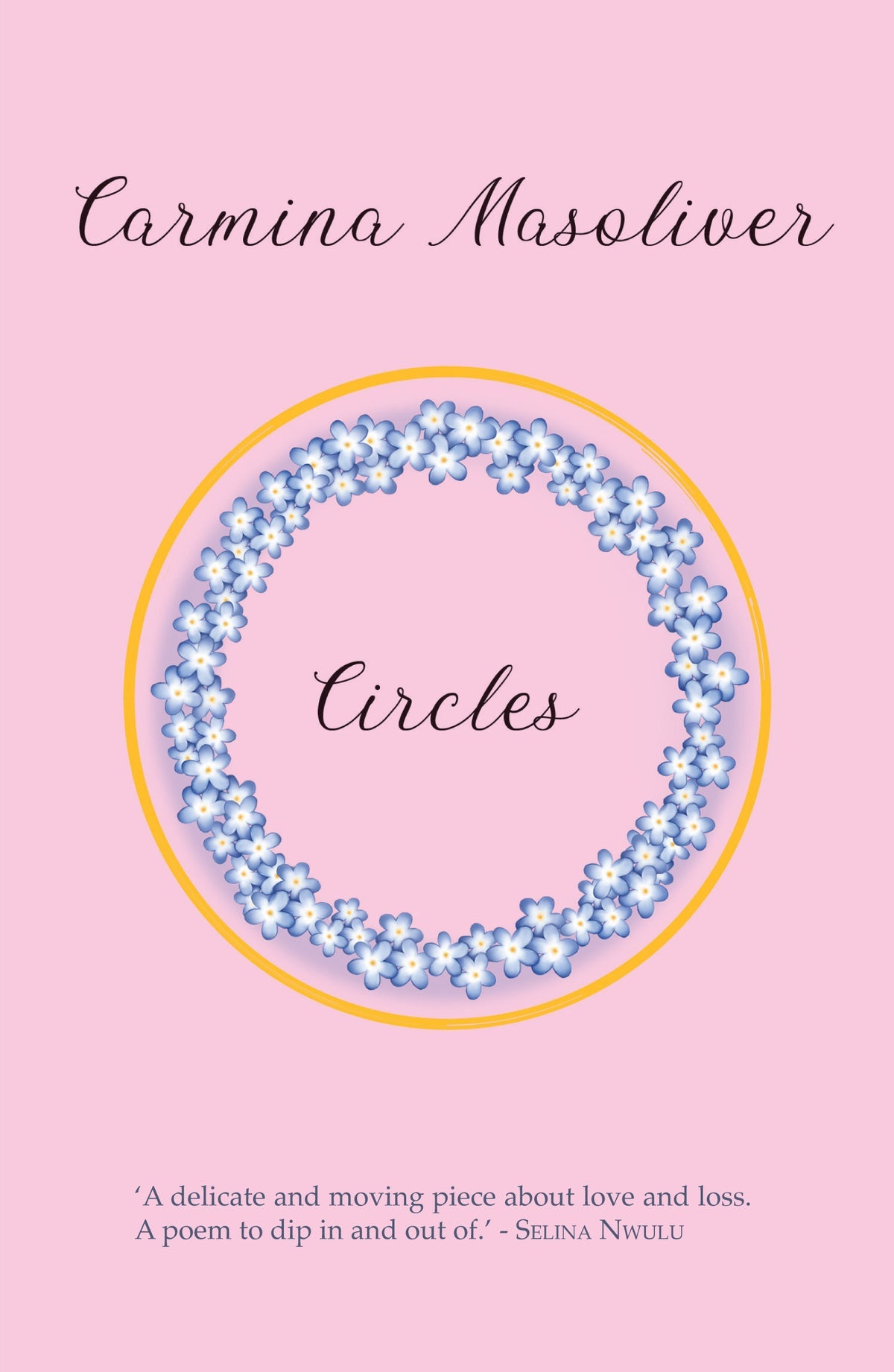
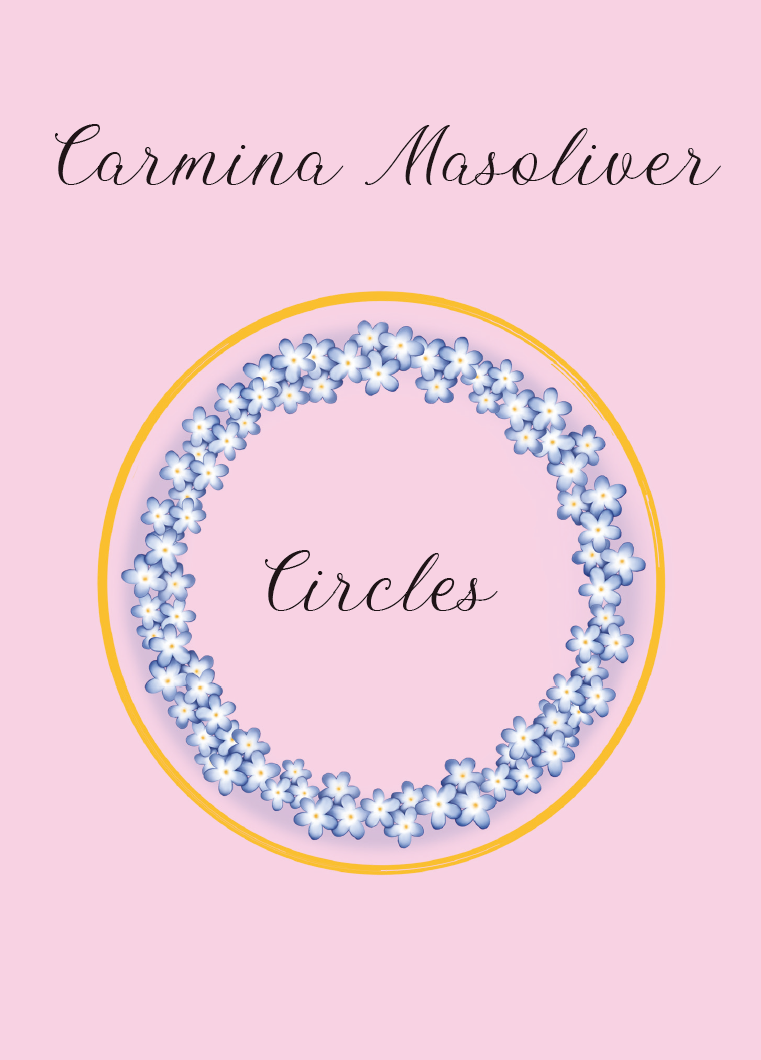
So, what can I say about this week being freelance? Well, I have a bill of nearly £1000 coming my way from overpaid tax credits in 2018-19. The good news: I earned more money than in 2017-18. The bad news: it’s 2020, I now pay rent, the Christmas holidays are approaching, and we’re in the middle of a pandemic. With that in mind, I’ve been taking the opportunity to plug my book, ‘Circles’.
Circles is an epic poem inspired by Sarah Kane’s 4.48 Psychosis. Taking the point of view of a suicide victim’s lover in the play post-death, the piece takes place on London’s tube network and follows the fragmented views of this once-absent character. It is a piece about love, loss and the line between sanity and insanity. Whilst fictional, the emotions and experiences are also inspired by elements of the author’s life, and are written with the aim to bring comfort and healing to those who can relate to its themes.
The book was published last year and I began to tour at the start of the year, and then… you know the rest. If I sold just 100 copies of this, then my bill would be sorted, so if you’re reading this and can spare a tenner, order a copy for yourself. If you can spare more, why not buy some for your friends and family? And if you can’t afford it, a share on social media or any way you can would really help.
I shared extracts from ‘Circles’ on ‘Spork’ in place of the real-life gig from my tour dates. It’s available to listen to on Spotify, and I’ll also be recording an audio version of the whole poem for The Living Record Festival in 2021, so watch this space for updates on that.
“I speak and the only voice I want to hear is yours” This is a quote from Carmina Masoliver’s stunning epic, Circles. Yet, I find myself feeling this way about her voice. Carmina has a very special way of finding the smallest of cracks in your heart and filling them with visceral, yet elegant poetry. She mines the mundane; those everyday moments riding the tube, or in the shower, or sitting with a stranger on a fence, and she brings you into them so gracefully, before you know it, you are sitting on the tube with her, “holding onto her hand in a reverie.” – Sabrina Benaim
‘This poetic dramatic monologue is at once lament, and testament to an unimaginable reality. Masoliver has created a theatrical poem that is both haunting and ethereal, where the audience experience the world though a protagonist trapped in on a train looping the central line and and her recurrent memories of a lost lover. The fragmented beautiful lyrical prose unfolds like a smashed mirror, each piece a jigsaw. Circles takes us effortlessly into the head of a suicide victim’s lover in order to illuminate the devastating effect of her grief. She captures an elusive emptiness whilst hypnotising us with an honest lyrical epic.’ – Malika Booker
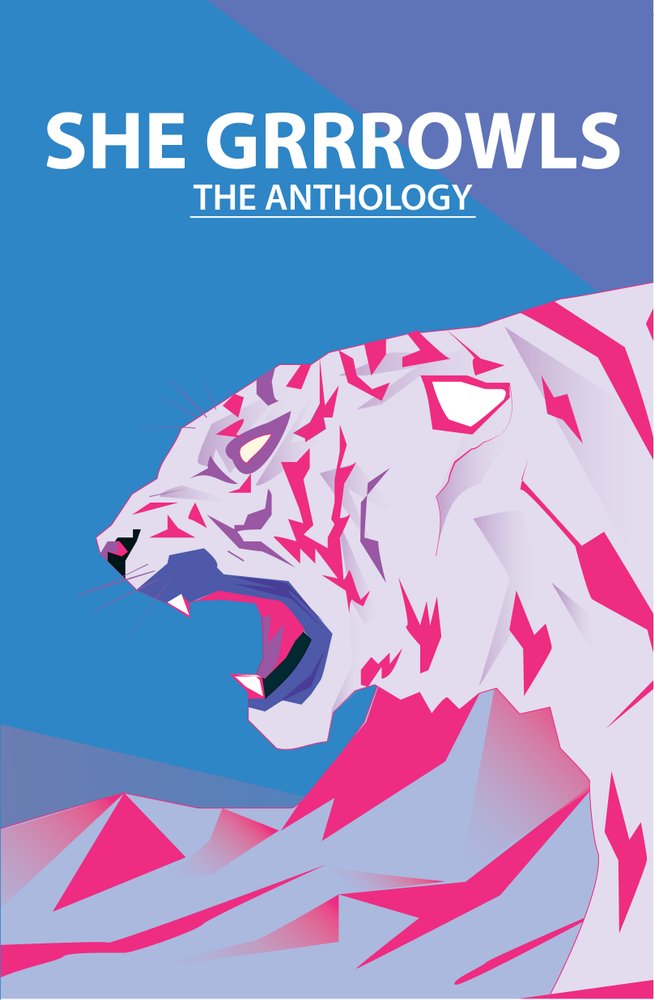
I have five copies of my book in stock, and five more of the She Grrrowls anthology, so even if I sold those ten books, it would be lovely (as I would have to buy another big lot of books from the publisher in order to sell more than five of each). You can get them from both Burning Eye Books directly too, and I will be sure to plug again once I’ve sold out.
Tonight, I’ve just done the final Instagram Live show for She Grrrowls until next year. I’m giving myself January off, so the next show will be February 2021! It was particularly exciting to have fellow Burning Eye poet Cynthia Rodríguez share their work, which I loved during the She Grrrowls tour, when collaborating with Leicester’s Find the Right Words.
Meanwhile, I’m trying to find some balance between being horribly productive with all the stuff I have to do, doing the more creative stuff (when, oh when will I have time?) and giving myself a break and resting. This weekend, I’m having an actual weekend filled with mother-daughter Christmas shopping time and chilling the fuck out on Sunday with some wintery walks or something.
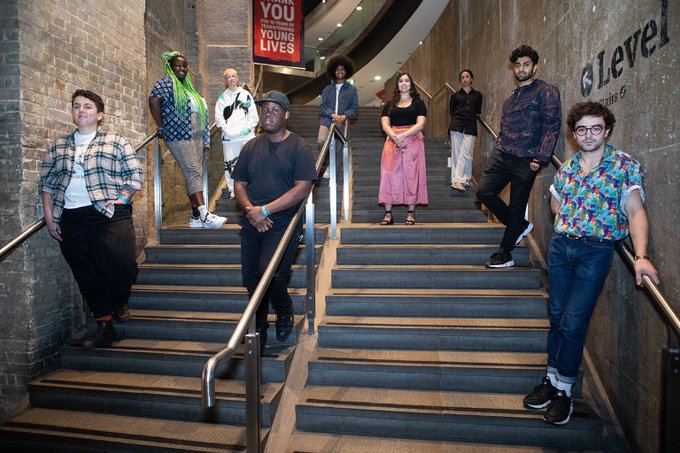
As previously mentioned, last Thursday was the Roundhouse Poetry Slam. The results are in and Elliot Waloschek won first place, with the runners up being Syd Wilmot, SAF S2E and Amani Saeed. I was rooting for Amani, as well as Ruth Awolola and Oshanti Ahmed. When it came to it, I voted for Amani, but I wished I’d been able to vote multiple times for the others too. But alas, as host Toby Campion said: the points aren’t the point, the point’s the poetry. Though that prize money…
Anyway, I remember hearing Elliot’s first poem about “stealthing”, and it stood out and it was very rich in language, and I immediately wanted to hear it again. I felt like Ruth’s second poem was really joyous, and that is always refreshing to hear. Whilst Amani packed a punch with both poems, her second poem was really bold, a poem that seemed to be partly about white fragility, its ending open to interpretation, but perhaps there to provoke you into thinking about what the difference is between the list of insults given to white people to those of other races, as well as to feel the weight of hate speech, and what it actually means.
The thing about the Roundhouse Slam is that it has heats to go through, so everyone involved is a high-calibre poet. I remember being so upset at my final chance of being in the slam and I didn’t even make the heats. Roundhouse lovely, comedian and (ex)-spoken word artist (once a poet, always a poet…), Jack Rooke really cheered me up about it. I mean, it wasn’t like I was going to win if I couldn’t even get through the heats, was it? I did meet some amazing poets who I’m still in touch with today, such as Malaika Kegode and Ciarán Hodgers, who are doing great things in poetry still.
Meanwhile, this week has been hectic, and filled with admin and emotional upheaval after thinking I would have to self-isolate from the start of the week, to being told my contact’s positive Covid test was void.
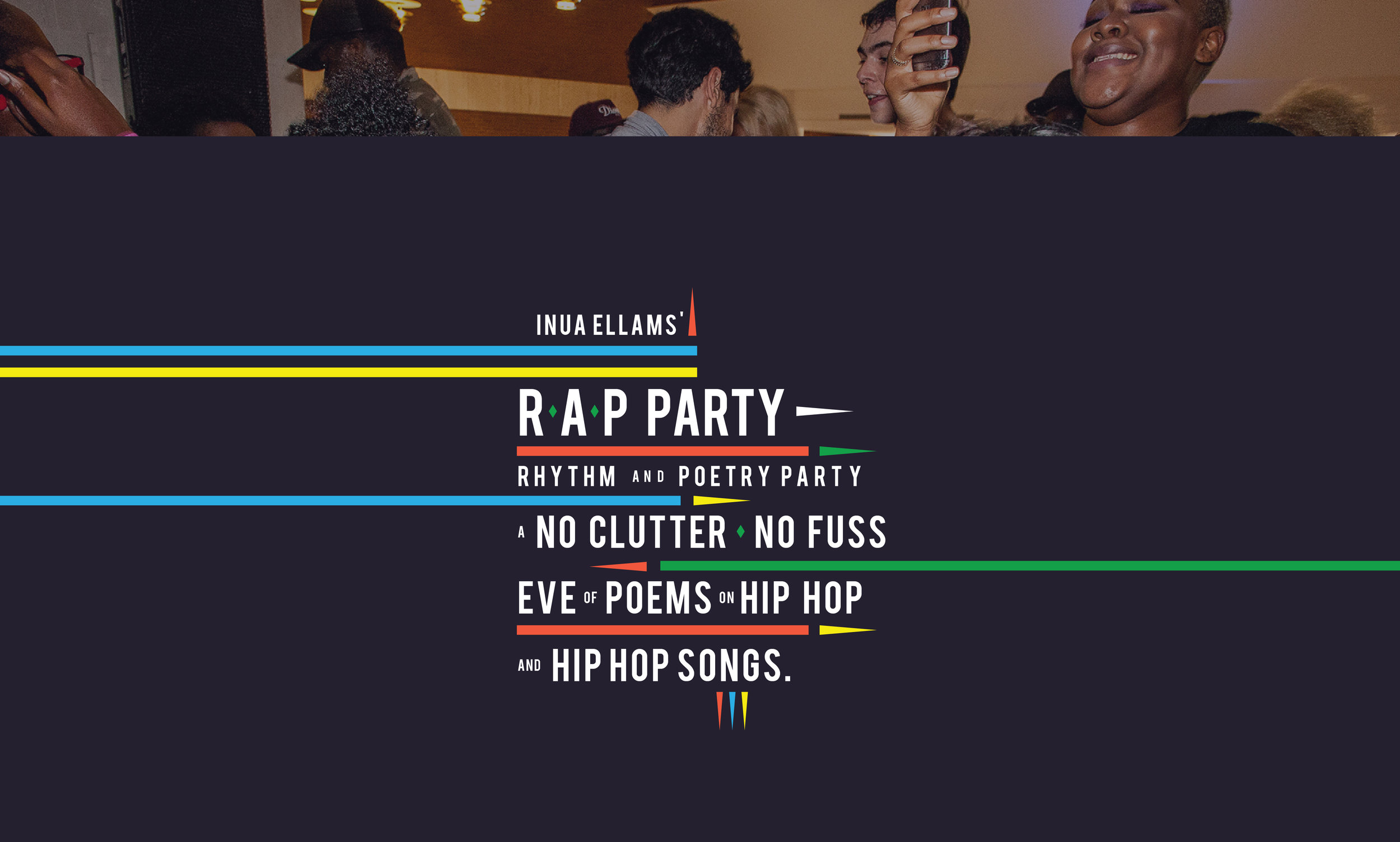
Last Thursday, I watched R.A.P. Party on Zoom, hosted by Inua Ellams. I was cooking whilst it was on, then treated myself to a drink as the combination of music and poetry lends itself to a tipple. I knew most of the poets in the line-up, as mentioned in my previous post, but I hadn’t heard Gemma Weekes before. I was blown away, and both me and my flatmate said she was our favourite of the night. For me, not knowing what to expect, she really stood out. The content was very relatable for those of us who love hip hop, but remain critical of displays of misogyny, such as ‘Bitches ain’t shit but hoes and tricks’, the Dr. Dre lyric Weekes dissected in her performance. With her arm propped against her knee, her delivery was captivating as the words came out as easily as breathing. This casual posture made you feel like you were literally inside her home, having a conversation over a cup of tea, only with a spoonful of sharp-tongued poetry rather than sugar.
So, I have intended to do weekly posts, but when it came to it, I didn’t know what to write about. I had a think earlier today about what I could share, and I realised that I just need to get into a better habit of making notes of what I could share, reflecting on the previous week. I think I sometimes build things up in my head to be bigger tasks than they need to be, so perhaps this habit will help me to be concise and share some of what I’ve been up to, as well as what others are up to.
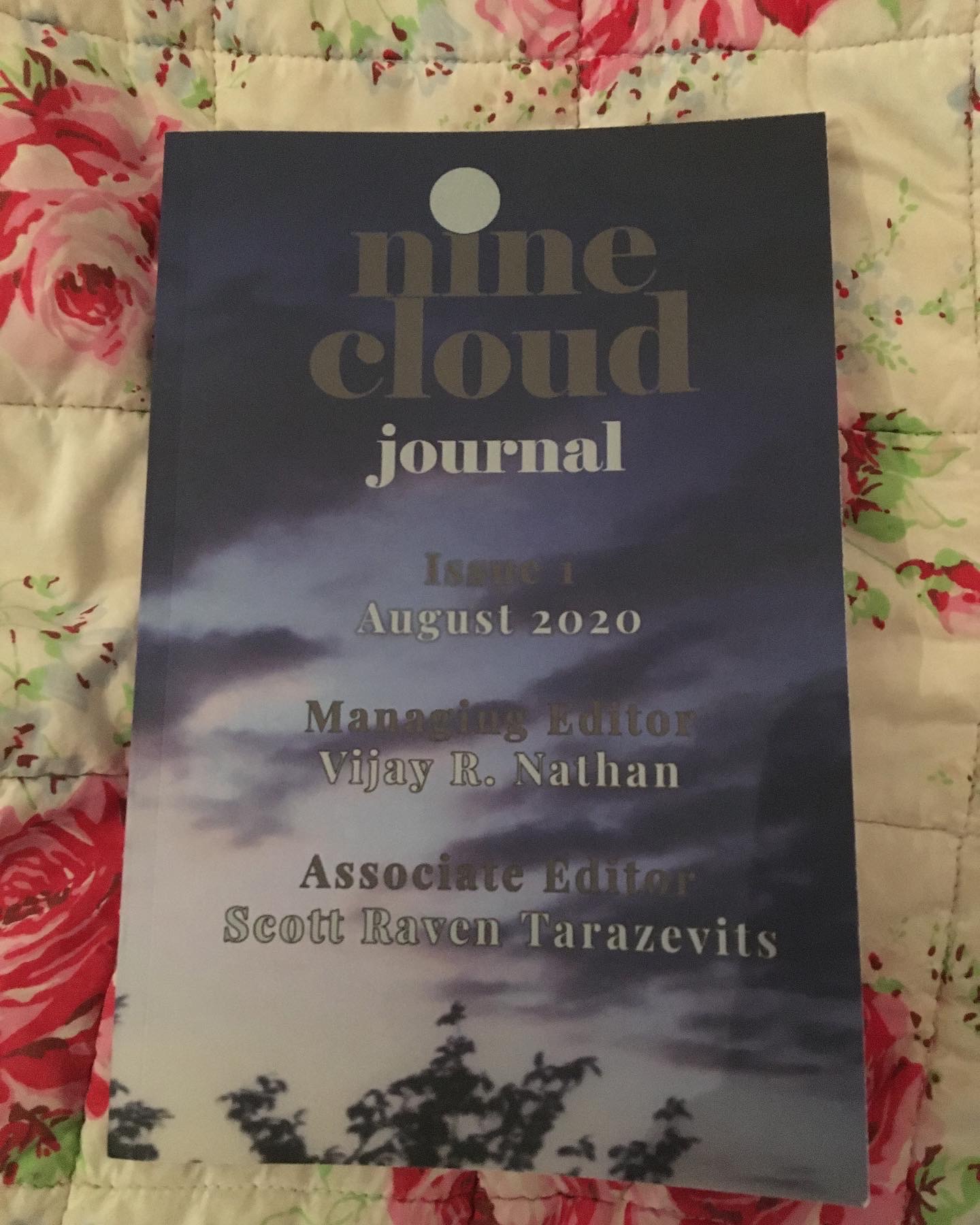
For example, at the same time as celebrating Trump’s loss in the elections, I believe this is my first poem in a North American publication, in the first issue of nine cloud journal. As I was wary of submitting this piece, ‘Toy Truck’, written as stated after the shooting of Charles Kinsey on 18th July 2016, it was so insightful to see the commentary on the first page: ‘…it’s okay not to have all the answers and you’re kidding yourself if you think you do know the answers. We can merely ask relevant questions and sit with these unanswered questions for a time until we inhabit the interior world of that question and live its truthful response.’ (Vijay R. Nathan).
As I stated in my Instagram post, three years later in 2019: The officer who shot Kinsey, Jonathan Aledda, after being arrested in 2017 and charged with attempted manslaughter and negligence, was found guilty by a jury of culpable negligence. Although fired from the police force, he didn’t serve any prison time. Kinsey could have been killed, and the culprit was instead sentenced to probation and had to write a 2,500 word essay on policing, serving a total of less than 5 months of probation before being released. It won’t even appear on his criminal record.
Whilst looking through a backlog of emails, I came across Laurie Eaves’ post on the Burning Eye Books website, outlining ten tips for writing a collection. It was a great read, and I really recommend it for those who have yet to publish anything. Even though I’ve had a couple of books published, I’m currently working on my first full-length collection. Although I felt finished in some sense, I’ve still been producing work that fits well within my vision for the collection, and I don’t want to rush it, especially as I already have work out there, and other projects going on in the background. One thing I have been trying to do is look at my schedule and how I can make more time for my creative work whilst still keeping everything else afloat.
Although I am largely just trying to get on and ignore the news, I was pleased to have had a negative COVID-19 test, and this was thanks to me doing a ‘freeze and share’ egg collection, as it was necessary to have regular temperature checks and then a test (which I didn’t get the results for, but assuming the procedure went ahead, I assume it’s all good). I had actually had a little cold, which I was paranoid about, but blasted it with garlic, plenty of vegetables and hot honey and lemon drinks, and now I’m feeling better.
If only I could be sedated every day.
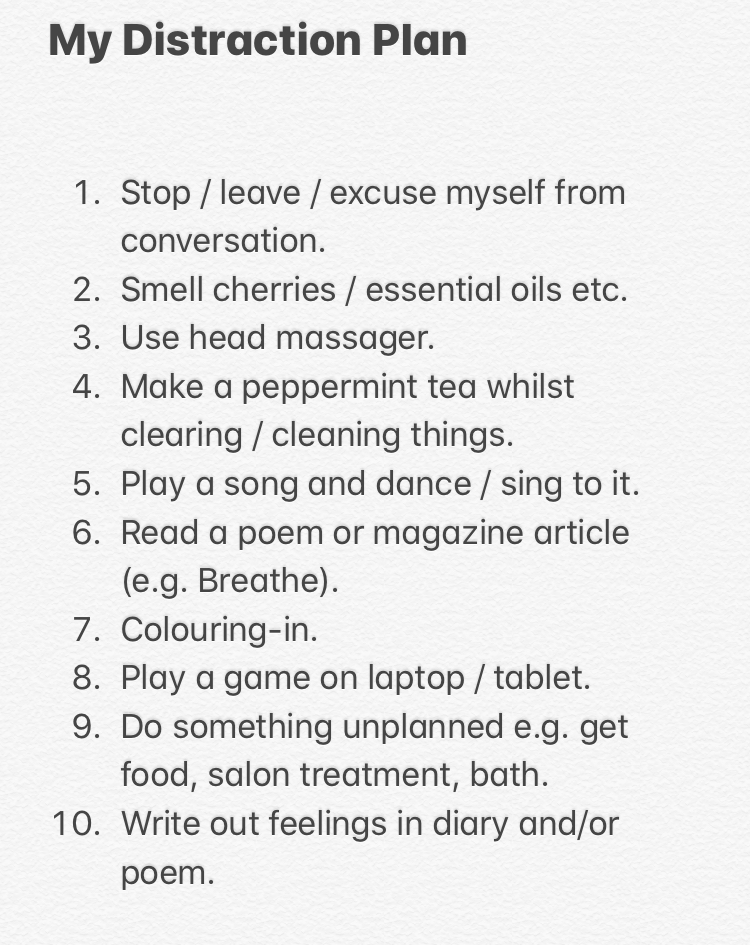
Initially, I didn’t think I was coping as well in ‘Lockdown 2.0’, but I think when you compare the fact that my work has increased, and it’s cold and dark, then I’m not doing too badly. I’ve had triggers when it comes to BPD, and within the recent week, I’ve become more accepting of losing certain friends, if only through an understanding that it’s their issues and not me. I’ve actually started the DBP skills workbook I have, and came up with a boss distraction plan. I thought I’d share it below, in case it works for anyone else. I tried to think of things I could realistically do when intense emotions are triggered, as well as some rooted in the five senses (smell, touch, taste, sound, sight).
A friend of mine who has suffered with depression and found living alone in the previous lockdown really tough also has been practising gratitude, which is always a useful trick. Sometimes I can just walk around my flat and feel a wave of joy, and I am so grateful for my living situation now, as even though it’s completely fine to be in your 30s and live with your parents, I realise how much I needed independence as an adult in this stage of my life, and I’m so grateful of my friend who I lived with at university to be reunited in this way once again. It wasn’t healthy for me to be stuck where I was, and feel so trapped, and essentially be trapping myself… when I could have this freedom and form better relationships with my parents as a result, rather than living as a teenager, running home for dinner from the park.
Looking to the week ahead, I’m also excited for The 10 Year Anniversary and 50th Event R.A.P. Party. It’s unfortunate that it’s online, but it also means so many people can bare witness to the incredible line-up. It’s happening this Thursday, and tickets are Pay What You Can, which I certainly appreciated just after my rent went out. Inua Ellams and Theresa Lola are joined by Breis, Charlie Dark, Zena Edwards, Joshua Idehen, Jacob Sam-La Rose, Kae Tempest, Musa Okwonga, Nii Parkes, Gemma Weekes, and Polarbear. I plan to cook and eat in front of it, so I otherwise wouldn’t be able to attend due to my work schedule (although I live super close to The Albany now, woop!). There’s another silver lining to this surreal situation. And on a final note, I was really inspired and motivated by the four-part documentary ‘The Defiant Ones’, so check it out on Netflix.
I recently finished watching Las Chicas del Cable and so I thought I would share some extracts from my poem on the topic that dominates the final series: the Spanish Civil War.
They greased their rifles with olive oil, with Vaseline, with cold cream, with bacon-fat:[1] an opera, with the occasional death.[2]
It was pneumonia they were fighting against, not men[3] yet some of the voices that cried out in pain were still falsetto, soon to be broken by the war with thousands dead.
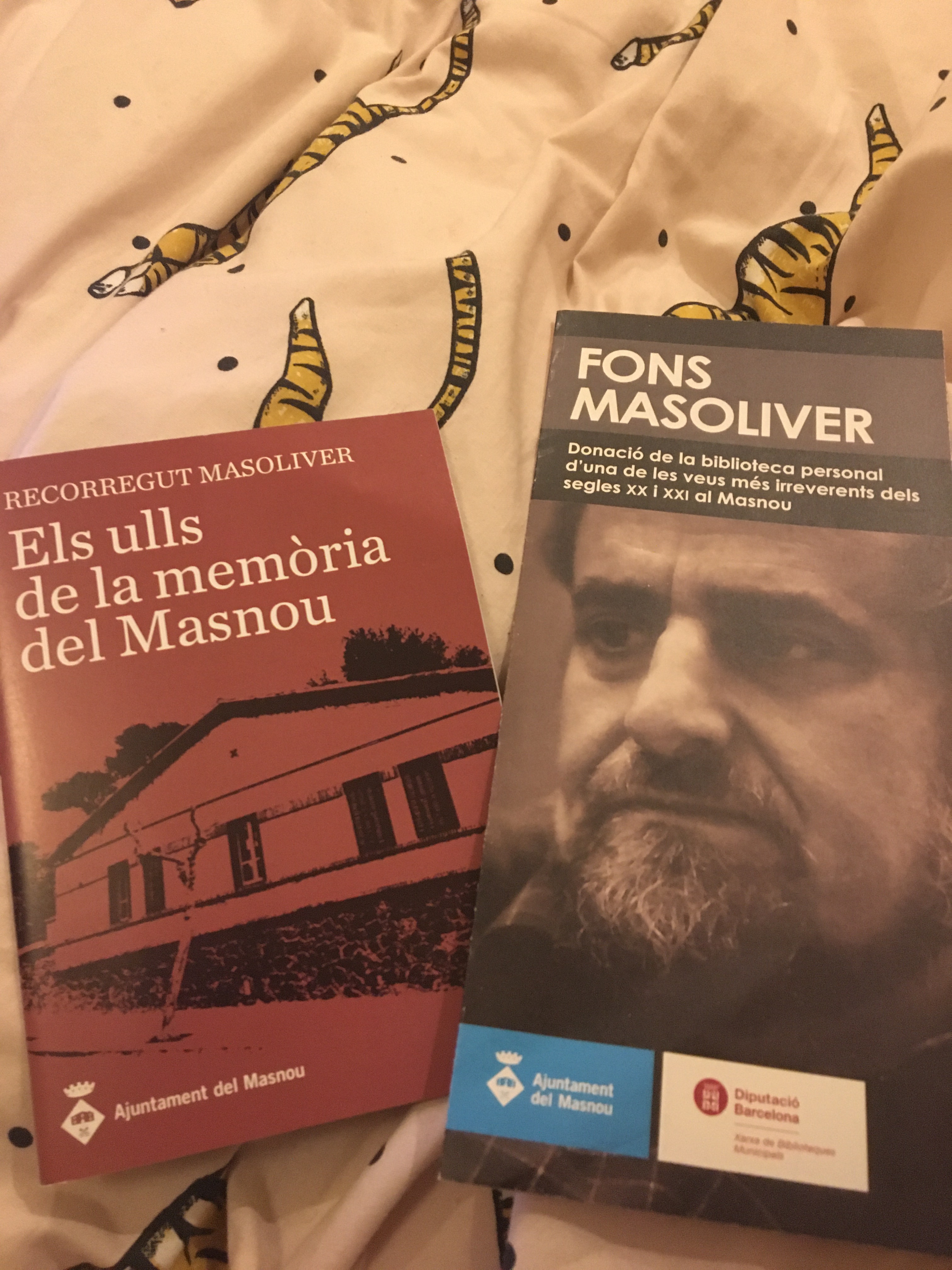
I wrote this at least five years ago after reading George Orwell’s Homage to Catalonia, which was recently in the news. You can see from the footnotes below, that the poem includes direct references to Orwell’s descriptions. Reading the book provoked me to have a conversation with my paternal grandfather, who lives just outside of Barcelona, after having lived as an immigrant for many years in London. Also a poet, there is tour about him, which the leaflets below are from.
I absolutely loved watching Las Chicas del Cable, and the parts that were about the Spanish Civil War touched me even more because of my familial connection. The ending was so moving and powerful, it brought me to tears. I highly recommend it.
A granddad I’ve never named as such, now through phone-lines brought closer, he tells me at the end of the conversation
how proud he is to have another poet in the family. I smile, as my bloodline extends back in time. My family, I think, with war wedged between them, yet in the end, they remained intact.
[1] George Orwell, Homage to Catalonia, p. 37 [2] George Orwell, (Georges Kopp), Homage to Catalonia, p. 34 [3] George Orwell, Homage to Catalonia, p. 37
When we went into ‘lockdown’ in London, I started doing weekly poem shares via Instagram Live as a ‘Poetry Slumber Party’, called such because you can watch it in your PJs. I shared brand new material and I was writing weekly through a prompt group called ‘Poetry in a time of being alone’ on Facebook. This was a lifeline to me at times, and I enjoyed being able to connect with people watching, who would sometimes send me messages about certain poems they related to. As the world got back into motion, I have started doing these on a monthly basis.
This is just a short post to say to tune in via Instagram Live (@carminamasoliver), which is where I have found it easiest to share my work. It’s every last Monday of each month, when I figured maybe people are staying in more now there are less restrictions, as it’s near many people’s pay day. It can also be viewed later on IGTV. It’s very off the cuff, and all new material, where I chat around it, and sometimes the chat is longer than the poems.
I like it, as I feel YouTube videos need to be more polished, whilst on Instagram Live, part of what can be lovely is that it’s a little bit messy and raw. A couple of weeks later, I also host an online open mic on the She Grrrowls Instagram account (@shegrrrowls). It’s a strange time now as the rules are continuing to change, yet some people still are at home with very little human contact, whilst others are at the opposite end of the spectrum. I’m somewhere in between. I really enjoy doing these little streams anyway, so if even one person gets some enjoyment out of it too, it’s worth keeping up!
It’s been over a year since I wrote a freelance reflection, and my 3 year anniversary of being self-employed passed by just recently. Although the current pandemic impacted my work, and meant I had to sadly cancel planned and potential tour dates for my book ‘Circles’, published by Burning Eye Books at the end of 2019, I am now back to my usual work.
I spend mainly my mornings content writing, and my afternoons tutoring. There’s not as much time for creativity as I would like, but I love being freelance and I’ve now moved out of my parental home for the third (and hopefully final) time, living with a friend in South East London. I’d moved to SW around the age of 4/5, so prior to that I had lived around Herne Hill and Norwood, so I feel very at home now, more than I did before.
Part of why I love being freelance is being able to create balance in my life, in a way that isn’t always possible being employed (though it should be, and I think this pandemic has shown how flexible the workplace can truly be). I wake up between 7:30-8am, and after listening to a guided meditation in bed, I’ve started doing my Spanish apps for 15 minutes whilst having breakfast. I digest my food whilst writing my journal, then do some exercise. This has been at home (dancing, hula hooping, skipping, lifting dumbbells, and Nike Training) or outside (jogging, skateboarding, rollerblading), but I’m thinking of joining a gym. After 2-3 hours of content writing, I have lunch and then I have some time for other activities like submitting poems, and studying Spanish. I come home from tutoring between 6:30-7:30pm, depending on the day.
After making my feedback notes, I have dinner and try to spend the evening doing less work-focussed activities. I’ll mess around on my phone, probably a bit too much, watch some sort of programme, and then ideally have some time to do some varied activity, which could include listening to a podcast or music, drawing or colouring in, playing games, chatting, or writing. I also love baths, which I like to have before watching a programme, so this free hour sometimes (often) goes out the window, and then ideally I would read for an hour. I do tend to self-sabotage in the evenings, rebelling against my own structure of the day, and some evenings I’ll go out and do none of these things I plan, but I know when I do follow the structure roughly, it can be really fulfilling.
During the last few months, I’ve been doing some Instagram shows, including with She Grrrowls, my own channel and a couple of other online shows, including Spork, which can be listened to on Spotify, and The Word Bin, where I just talk about why I would bin the word “needy”. I was also commissioned to write a poem about small acts of rebellion during the current pandemic and lockdown, as part of the Royal Museums Greenwich’s Museum From Home series.
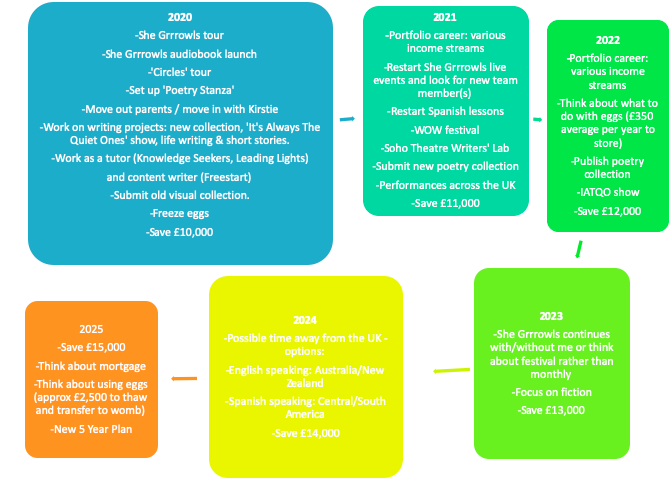
I had the urge to look back at my last 5 year plan from 2017 and made a new one. I find it interesting how overly-ambitious I have been, and I’m not sure if I’ve done the same with this new one, but it’s funny to think I had put ‘think about children’ in 2021, and now in 2020, I’ve changed this to ‘freeze eggs’, which I really hope I can do through the donor scheme as I have donated eggs three times now, so this would be my last chance. I’ve included career goals alongside personal goals like this, and imagining I may be able to save for a deposit on a place by the age of 36, and think about children around that time too. I have no idea what situation I’ll be in then, and though it’s a nice idea that I may have a partner to do these things with, in 2017 I had also hoped to move in with my then-partner, and I’m much happier now living with a friend, so there’s no saying that any of these things will make me happy, which really is the most important goal of all.
It was recently World Mental Health Day, and I wanted to start writing this blog again. I made a note in my calendar to try to do it weekly, but even then I’ve ended up pushing it back to three days later. It’s been over a year since I actually wrote a proper freelance reflection, so I guess things are going well in that respect, but for my next post, I hope to catch up with that.
So, the topic of this post was the question as to whether poetry is therapy. My short answer is no, but that’s not to say poetry and other forms of art can’t be used for therapeutic goals. Over a year ago now, I made a new friend through other friends and he challenged me to write something everyday, and he would do the same. He wasn’t a writer, but wanted to be more creative, and he told me in this time that it was something that really helped him. After a year, I had a lot more material that I would have had otherwise, and I think the process was therapeutic for both of us.
Poetry is cathartic for me, and it is naturally how I process things. I aim to write my diary each morning, but it is writing poetry that gets to grips with certain issues, delving into them in a way my simple prose writing often doesn’t. Fellow writers may also have the same experiences, whereby the same themes will reemerge time and time again, haunting you, as if each time you return to it, you are attempting to exorcise it from you. There is something about getting it down on paper in a poetic form that allows you to distance yourself from it somehow, as you then try to craft it into art, and shape it into something that can then also connect with others and help them too.
Helping others is what motivated the artist Rich Simmons to create the project ‘Art Is The Cure’. He explains in the short film how art has helped him with autism and mental health issues such as depression and anxiety. He talks about how visual art can help as a means of self-expression, and how it can be a positive release, even going as far as saving his life. Throughout the last few months, experiencing lockdown, I have also recounted how poetry has saved my life, in response to the way the arts are suffering and how they continue to be devalued. He talks about how other kinds of art can help us, and that it is really creativity as self-expression that is at the core of what is therapeutic in this sense.
This concept was also summed up in one of my favourite podcasts (before they moved from Spotify to Luminary, which isn’t available in the UK), ‘Guys We Fucked’ by ‘Sorry About Last Night’, made up of comedians Corinne Fisher and Krystyna Hutchinson. They would repeat the phrase ‘comedy is therapy’. After Tweeting about a show I’d listened to that made me both laugh, cry, and heal, on a train, they repeated this phrase again when retweeting me. Likewise, Apples and Snakes shared poet Inua Ellams’‘Art as Therapy’, where he discusses the topics, stating:
“Any seasoned poet will concur that more time is spent editing than writing. Involved in that process is the going-over of memories and instances, of emotions and images, the combing-through and the filing-down-to-their-smoothest-most-ergonomic-shapes our creations. It involves meditation, introspection and inspection. This for me is where poetry becomes therapeutic, when the created serves the creator, when the feather serves the bird.”
All of these points are true, but it was this Tweet from Burning Eye, which put the state of mental health in UK today into perspective: when it comes to talking about mental health, things are getting better, but when it comes to funding and enabling people to have access to therapy, we are a long way off.
Today is #WorldMentalHealthDay – just a quick one to say hello, your feelings are valid. Poetry can be a powerful tool for healing, but it is not therapy. Your audiences are not therapists and you do not have to give everything you have every time. Find joy in your writing. x
Poetry, art and any kind of creative self-expression is certainly therapeutic, but it is not in itself the same as therapy. CBT and mindfulness are also great tools to tackle mind anxiety and depression, but even with CBT, I would argue that it is pushed because it is often cheap. It is often delivered in groups, and can even be DIY, but it is not a miracle cure. Really, what is needed is a holistic approach, that gives value to both therapy and medication, which can often work best in tandem, rather than it being a case of one or the other (though I’d argue sometimes therapy alone could work, I’m skeptical about medication alone working, but that’s more to do with my view that everyone would benefit from therapy).
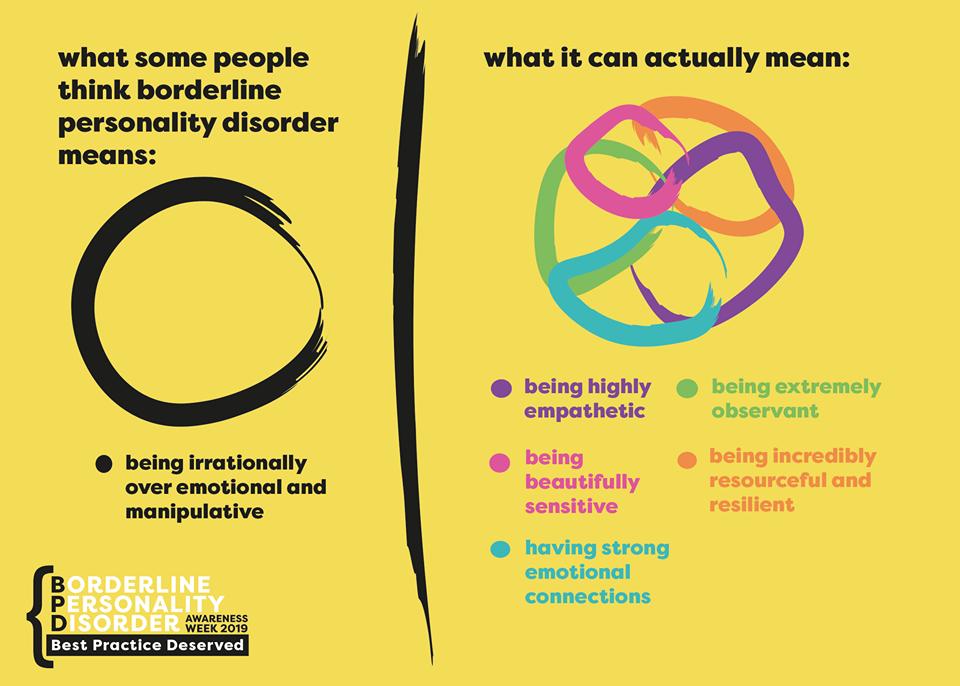
At the start of this year, I saw a psychologist who said I had traits of BPD; she phrased it ‘Emotional Intensity Disorder’, but this is just one of the many alternative names for Borderline Personality Disorder. I tend to use the term ‘BPD’ because it is more well-known, though I do feel that EID does capture a large part of the characteristics of my own experience. What others may deem to be “too sensitive” simply refers to my lived experience, and whilst there are negative points to feeling so intensely, I am thankful that at least these experiences of emotions has given me greater empathy and compassion for others.
Although I see it as a kind of neurodivergence, because of the fact, I often feel I really need the support of therapy, whether one-to-one, or a support group. Unfortunately, the support I was given previously was inadequate, essentially due to lack of funding and not being suicidal enough to get proper therapy (though ironically, that changed over the last few months, when it has been impossible to get anywhere). After moving, I found a support group that would have been free to attend, but I was in the wrong borough, and I haven’t had much luck finding anything beyond the £75-100 BPD therapy sessions. If there was a way to pay a fraction of the cost, and for the majority to be covered, it may be doable, but I’m not aware that this framework exists. Previously, I had paid for one-to-one counselling at a cheaper rate, but it didn’t meet my needs.
I know I need to do more self-help work as well, and part of me is using other (sometimes unhealthy) coping mechanisms rather than delve into the DBT book I have, for example, which is meant to be good for those with BPD. Aside from that, poetry, amongst other things, has saved my life, where the system has failed me, and so many others. The less fortunate are no longer with us.
Suicide rates are continuing to rise, and our mental health is bound to be the collateral damage of the current pandemic. Writing, drawing, walking, skateboarding, rollerblading, dancing, singing, cooking, playing games, and having a good support system have all helped me and continue to do so. But when things are okay, I still don’t feel I have the right tools to cope when triggered, where I might turn to unhealthy coping mechanisms, whether manifesting as an “episode” of crying inconsolably, screaming in a rage, or self-harming (in its many forms). When these moments happen, I’m reminded that I do need help, but at other times when I reflect on my instability in relationships, it can dawn on me how much I need support in unlearning certain patterns (one of the biggest I think being related to elements of emotional abuse, whereby I have grown attached to receiving comfort after either being ignored or treated poorly emotionally in some way, meaning I am finding myself becoming attached to those who use such manipulation tactics or simply behave in an avoidant way due to their own attachment issues, for example).
Where the system does fail us, we have art to reflect our experiences when we consume it, and we have this fantastic ability to create, where talent and skill doesn’t have to matter, as it is something that everybody can do to feel good, whether it’s as a means of self-expression, an attempt to heal from pain, or simply to get a buzz from creating something from nothing.
If you want to know more about BPD disorder, I stumbled upon this video, which I’ve found accurately describes most of my experience. The fears of abandonment, interpersonal issues, and difficulties with regulating emotions are described here as the main characteristics. The only thing I would say, is that I have a strong sense of identity, though I can relate to the idea of having different personas within myself, but in a way that I feel is somewhat “normal”. I also feel like to say a reaction is “too much” is difficult to fully get to grips with, as it is in response to real emotions, and whilst I fully acknowledge I need to take responsibility for the ways I cope with these emotions, more often than not, a little empathy and compassion goes a long way too.
In the video, Dr Ramani also emphasises that diagnosis is a tool to drive treatment, rather than labelling someone, which is also a great point to remember.
If you are struggling to cope, please call Samaritans for free on 116 123 (UK and ROI), email jo@samaritans.org or visit the Samaritans website to find details of the nearest branch. I have also personally found CALM’s chat function helpful, because phone calls with strangers can also provoke anxiety.
Well, it’s a new year and the perfect time for reflection – though having always worked in education, I always see September as a good time as well. In fact, I think it’s important to reflect on how things are going, which is obviously why I started this blog series! I finally started the bullet journal that a friend got me a while back, and I’m going to see how well it works in combination with my current system of using my iCalendar. I used to use an Excel spreadsheet, but I think I need to better utilise this in combination with my calendar system for specific tasks such as submitting work. For example, I have put ‘submissions’ into my calendar to repeat for an hour a week, but I would be better to work through these in my spreadsheet. What I’ve been doing instead is just having the tabs open, which is less effective, cluttered and stress-inducing.
Despite being happy with the work I’m doing, as I’m thinking of moving out of my parents’ place, I am becoming concerned that my income needs to be higher. I’ve applied for a few poetry jobs – one editor role and a producer role. I’m even thinking about applying for more part-time EFL work, and have gone for one that is three days a week… the issue is that it is 20 hours, and this often refers to contact hours rather than total hours, so lesson planning could mean that more of my time is eaten up. I think I’m still questioning what I’m doing too much rather than just getting on with things and enjoying it.
When thinking of the year ahead, I’ve used the bullet journal to plan poetry-related activities as the other work I do is pretty consistent. There’s a couple of key submission deadlines at the end of February, so I really want to focus on getting these two projects I’m (supposed to be) working on completed by then. This means that the show stuff might have to wait until the beginning of March, but I’m sure that time will come around quicker than expected! When I wrote out all my goals on the yearly timeline, it made it easier to see. I need deadlines in order to actually make things happen creatively, otherwise I tend to let the paid work takeover.
I have found myself being annoyed when people ask about work, especially when there is an assumption that you are only working when you ‘go out’ to work. In fact, most of the work I do is at home, and most of the time I ‘go out’ to work is spent travelling rather than teaching (with the exception of maybe one day when I have three students). Planning lessons is work. Marking is work. Content writing is work. Checking emails is work. Writing poems is work. Updating bloody financial records is work (this is what I spent all day yesterday doing, finished with a bit of content writing and admin). When I am at home, I spend a majority of the time working, so even if I’ve been at home all day, it is pretty damn safe to assume that YES I have been working.
Being freelance means I work every day, and I choose to do that because it means I can be more flexible at times. Sometimes I have to fit things around work, and sometimes work can fit around other things I want to do. I would love to have more rules for myself about what work I do on a Sunday (ideally these would be reserved for reading, writing and relaxation), but at the moment they are just another day I can fill with things I want to get done. By implementing a slightly better system, I hope this year that I can work more towards spending time in a way that is closer to my ideal, because certain tasks end up piling up because they’re not “important”, then they just seem like such a mountain to climb. These things that pile up tend to be the financial record keeping, my scrapbooking, and copying quotations from books I’ve read (instead, I prefer to read more books and add more to this pile).
I’m really happy with how the year is going so far. In fact, I’m going to break down what I’ve been up to each day briefly.
1st: I’d been at a small gathering with three others for NYE and it was perfect. I woke up without a bad hangover. When I have a really bad hangover, it tends to be the only time I do actually have a day of relaxation, because I’m physically forced into it. However, this day, I met my friend for brunch and then we went for a walk through Clapham Common. I spent the afternoon writing until past 11pm.
2nd: I hadn’t finished the writing I’d wanted to do, so I also write this day after starting the morning off with Zumba. I also did some admin, such as telling the tax credits office about my actual earnings since completing my self-assessment. I went through some emails before seeing my first student of the year, then spent the evening marking work that I’d collected from another student. I added a prompt for the ’12 Days of Form’ writing group I’m in, for the next day, and finished at 10:30pm.
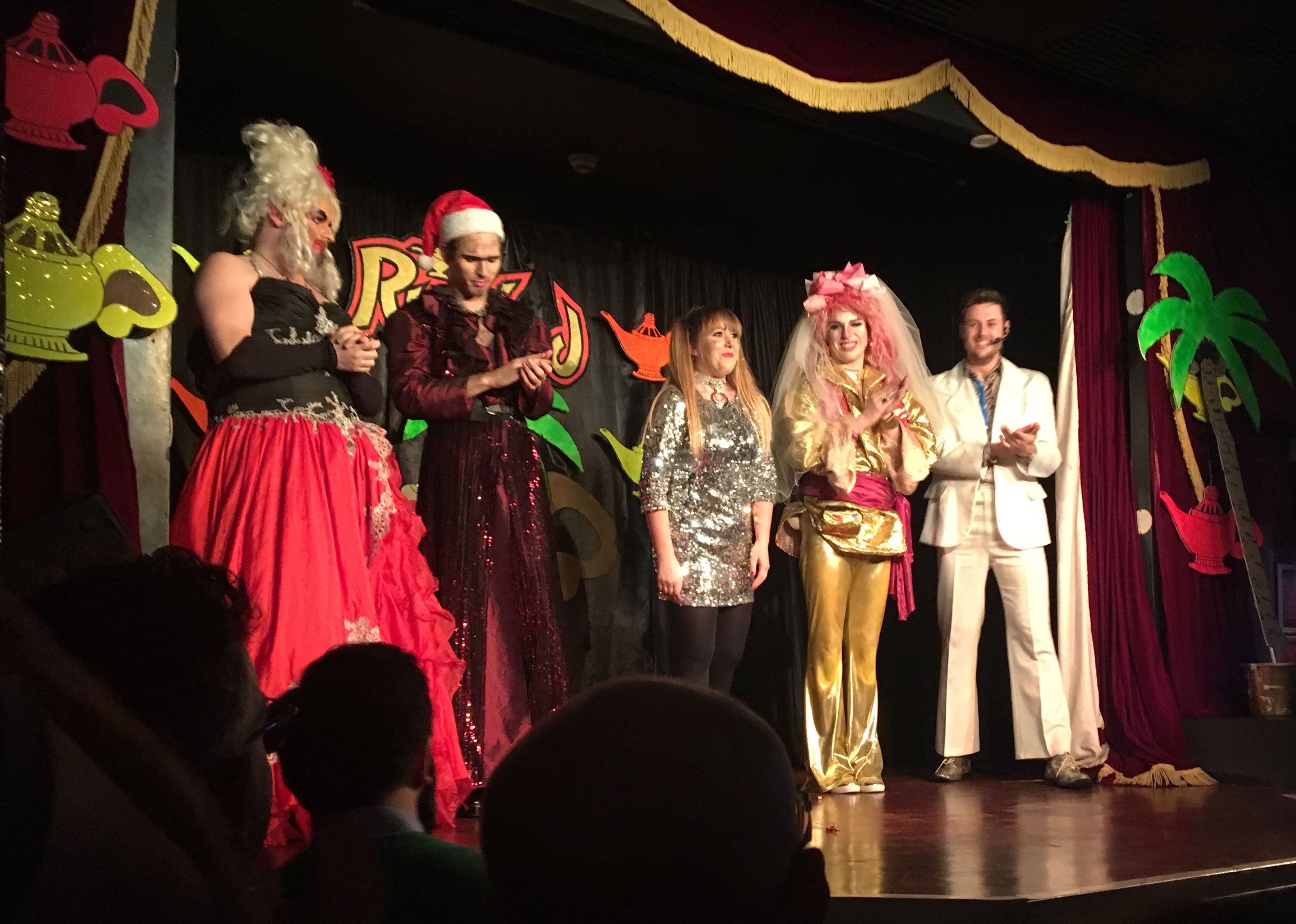
3rd: I had my final session with one student in the morning. I’d stayed up late the night before watching a film, so I was a bit tired. I came home to do some planning and marking, and had to do a quick update on my ACE evaluation before doing some more writing. After working through a few more emails, I then met friends for dinner and a final festive celebration with a panto.
4th: I did Zumba again, after writing the poem of the day. I then spent just six hours updating my records. It took me a lot less time than I expected, so that was great. I did some content writing and some admin for She Grrrowls. Still allowing myself some time to wind down from the holidays, I watched another film before reading in bed (this last activity is one I want to get into better habits with).
5th: Today I have been to the gym (I last went on NYE – go me!), written the poem of the day, and I’m about to have lunch, get ready, and go to Words Aloud in Sutton. It’s a great time to go to an open mic when you’ve not got plans. It’s quite local to me and my mum’s even offered to give me a lift! Then I’m meeting a friend from college for the 30th birthday of our old friend. It’s fancy dress and I’m using the ‘growing up’ theme for an excuse to wear all my old dance gear, tap shoes and all!





 Poet on page and stage. Creator of She Grrrowls. Facilitator. Writer.