Blog

Thailand: First Days

A week ago I left for Thailand with my boyfriend, and this is the first day we have had a moment’s pause to reflect. We travelled with EVA Air and the were lots of spare seats, so plenty of space for the 11.5 hour flight (although you did walk through the better class of seats, which looked even more comfortable). There was plenty of choice of entertainment, and I chose the film Spotlight. I should have gone to sleep, but come midnight, I was straining to keep my eyes open because I’m stubborn and wanted to finish watching the film. This meant I got no sleep whatsoever. But I did get two of the best tasting aeroplane food I have ever had in my whole life. I usually don’t even bother now, but we opted for “Vegetarian Oriental” and it meant we were served first with lovely rice and noodle dishes packed with vegetables, plus containers of fruit and salad. 

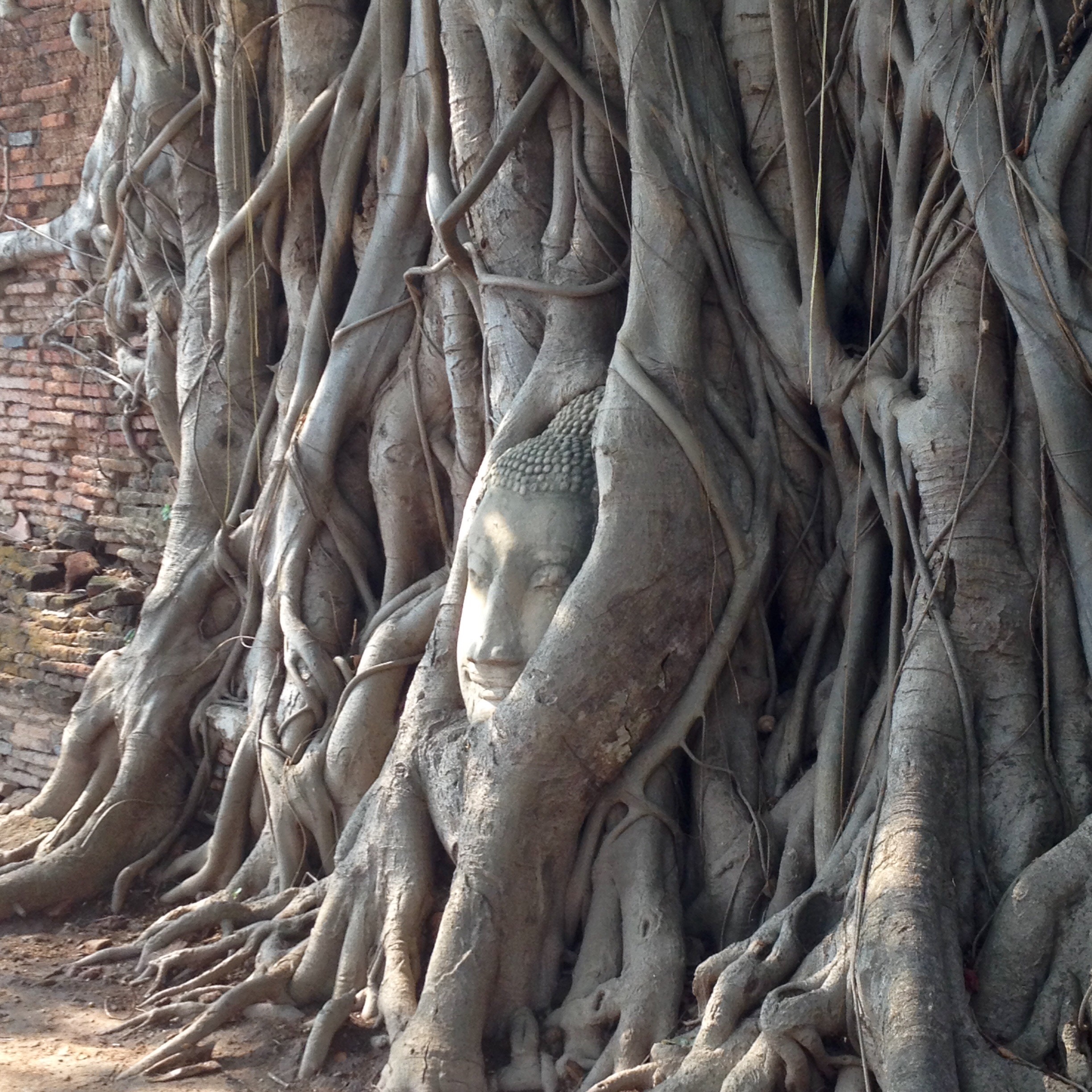
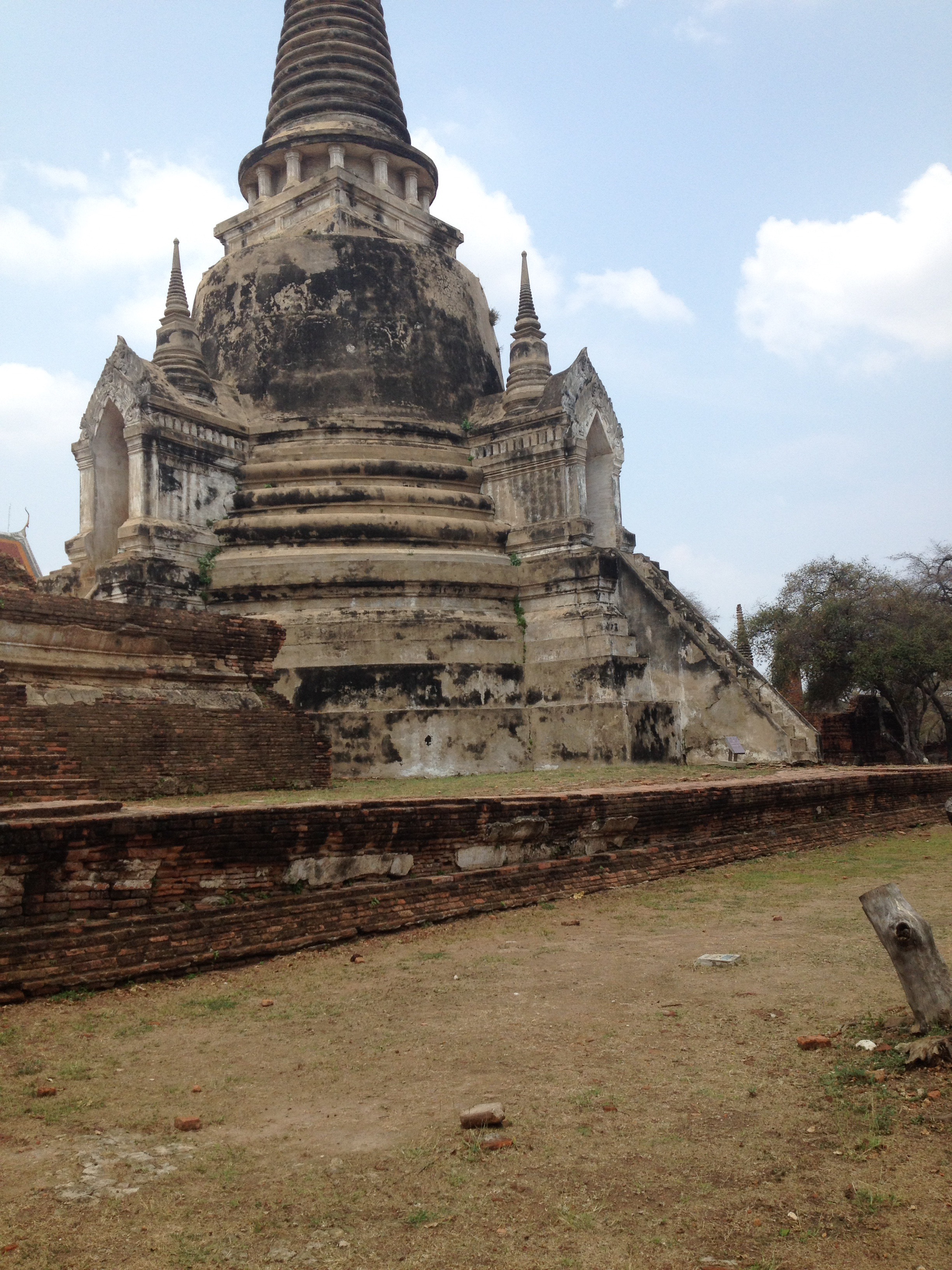
On arrival in Bangkok, it was clear we had been transported somewhere else. Luckily, being English, there were plenty of signs we could understand to guide us to collect our baggage and Visas on arrival, but as we walked through the airport there were flower displays and incredible murals that hinted at what was to come. So far, we have mainly witnessed incredibly intricate designs of so many temples. A taxi to our hostel – Fab, in Sathon – cost twice the price than expected, but the communication barrier meant we just accepted it. I had forgotten the handy bit of paper with the hostel address I’m Thai that the owners had provided. 

We were shown around the place, which is equipped with two shower-rooms/toilets, a kitchen, laundry facilities, living space with films, books and musical instruments, and an our door chill out space with a hammock, comfy seating, fan and even a punchbag! Already sweating, we took some time to settle in, then headed out to find some food. The hostel is away from much of the tourist attractions, so restaurants are minimal. However, there are lots of places serving up street-food. We were a little apprehensive about this, and our first impressions of street-food in Bangkok were that it looked like it had been left out for a while, and was unappetising. So, on our first night we headed down what would become the familiar streets leading up to a main road with a 7-11, and found a place with four walls and fans. I chose something I’d had back in the UK — penang curry — but it had a lot of lemongrass in it (which, unfortunately, I can’t stand) and was a lot spicer than expected, baring no resemblance to what I was used to eating. There was no English translation for drinks, so we pointed at two options. We guessed, after starting, that it was iced coffee and iced tea, but we couldn’t stomach the strange saccharine taste, so had to leave them.

We got an early night and planned the next day. Our first proper day in Bangkok, and we’d planned to get a boat to The Grand Palace and Wat Phra Kaew (my Lonely Planet guide offering me help with all these names). A few paces down the roads, so filled with motorbikes, stalls and at times no pavement at all, we were approached by a tuk-tuk driver. My instinct said to say no; we had got up early specifically so we could walk to the pier. He offered the ride for 30 baht, and my polite, but ever-so naive boyfriend accepted the lift. What had meant to be a short walk, turned into an unusually long distance on the tuk-tuk. I had gone along with it because I thought it would please my boyfriend — being in Thailand, I wanted to relax, not be Miss Health and Safety etc. We arrived at a pier, but it didn’t look how I expected — we were the only ones the. But still, neither of us had ever got a boat in Thailand. 

I kick myself every time I think of the fact that we were then charged 2000 baht for what should have knocked two zeros off. To be fair, my boyfriend managed to get it down to 1800, and I had actually looked at the prices the night before. I should have known this was a complete rip-off. Yet, in my 7am head, I just went with it… I guess it seemed the easier option at the time. I didn’t come here to have to ward off being scammed, yet that was a morsel of what was to come being in Bangkok. The only relief we were able to say to ourselves was that it was a private boat. At one point I kissed my boyfriend in it, just because of this matter. Passing boat upon boat, filled with people, we knew as the events unraveled that we were being conned. At one temple, we paid to get a closer look only to find out it was closed inside, and at two ports, we were charged landing-fees, which we latter learned were another scam. 

Aside from the money lost so quickly, we did get to see Wat Arun from the outside (this is the one that was closed for refurbishment but still happy to charge entry fee), and my boyfriend enjoyed going down the canals, finding interesting scenes to photograph. I found this part, and much of Thailand, somewhat unsettling — the contrast between the ramshackle homes, and grand temples, along with one-off accommodation, with fencing round it. This came with a guilt of being lucky enough to come from the UK and to be able to travel like this, yet combined with amazement a at what we saw, it was an overwhelming place to say the least. At this time, all we could think of to describe it was “real”. For so long we had imagined what it would be like to be in Thailand, probably made up of stock Google images, stories and photos from friends, and our imagination. To be there in the flesh, is just that: real. 
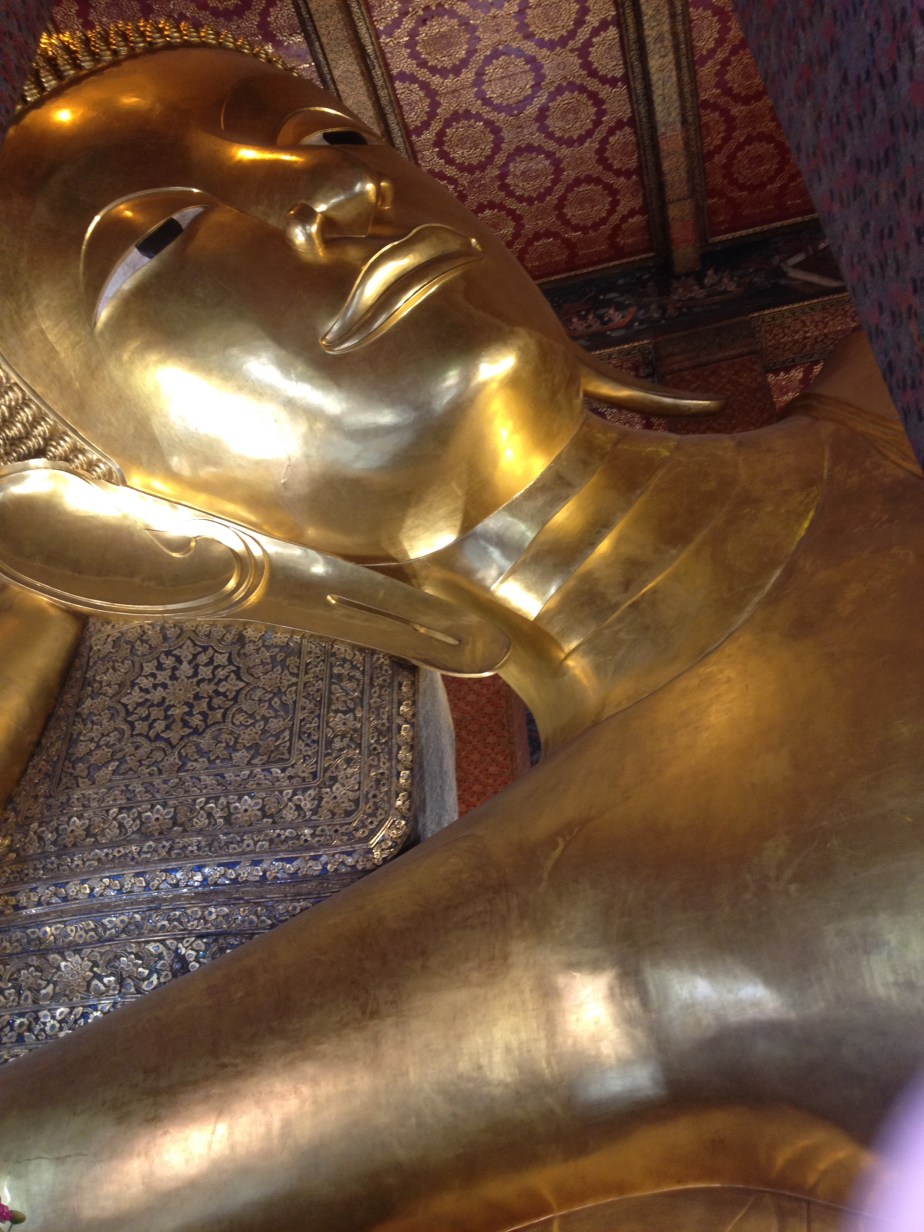

We were dropped at a pier before walking through a market and getting some water from a stall, then entering Wat Pho. For those not familiar with visiting temples in Thailand, generally nationals get free entry, whilst foreigners or “farangs” get charged. A couple of guys who turned out to be Canadian asked for a photo to be taken, and after returning the favour and chatting about what we had experienced so far, they headed in, and we followed behind a while after. It’s also worth noting that to visit temples you should wear items of clothes that cover your shoulders and knees, and always take your shoes off as a matter of respect. If not, you may either be denied entry, or most-likely loaned a garment to cover yourself. I wore my trainers, also thinking toes needed covering, but in hindsight sandals would have been fine. 

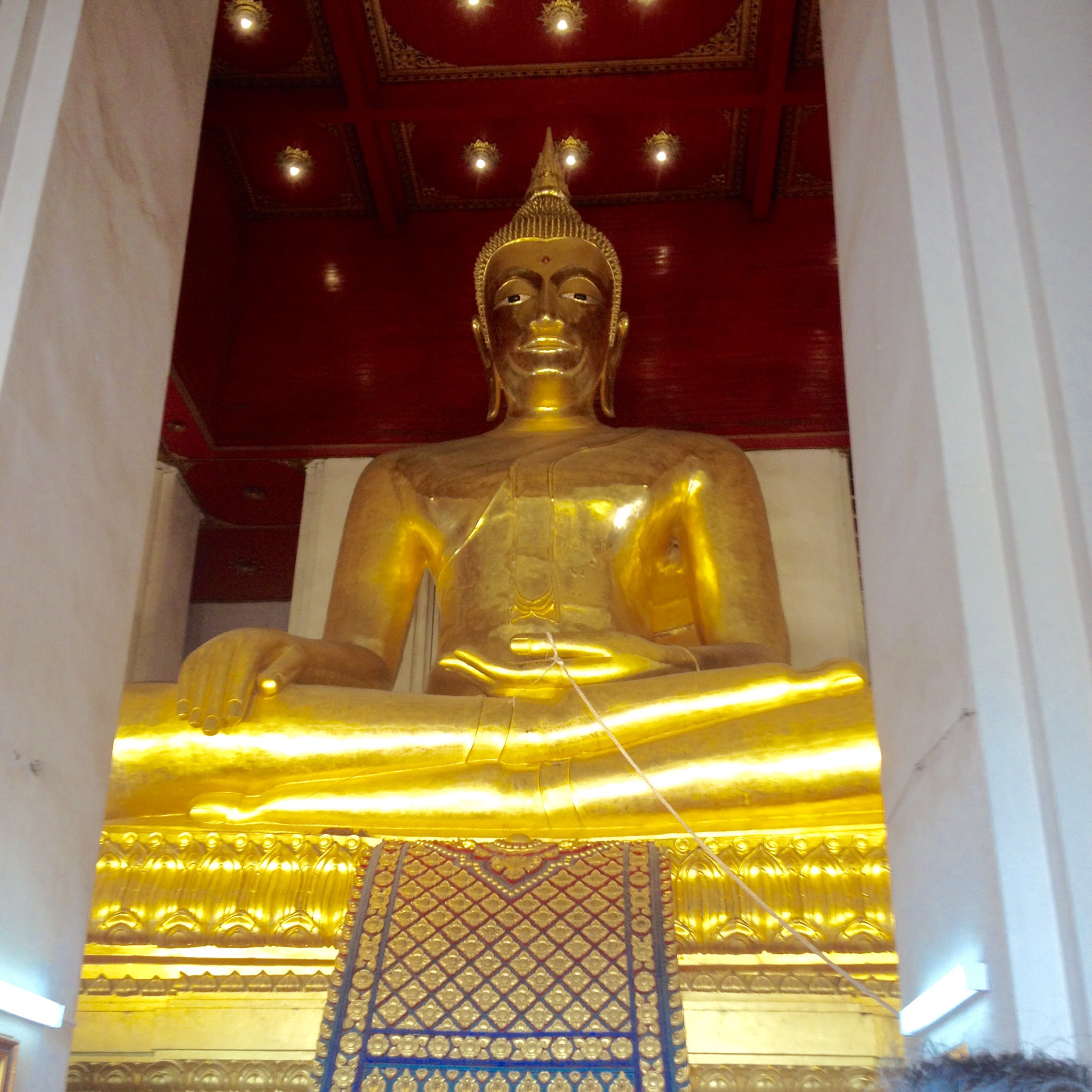
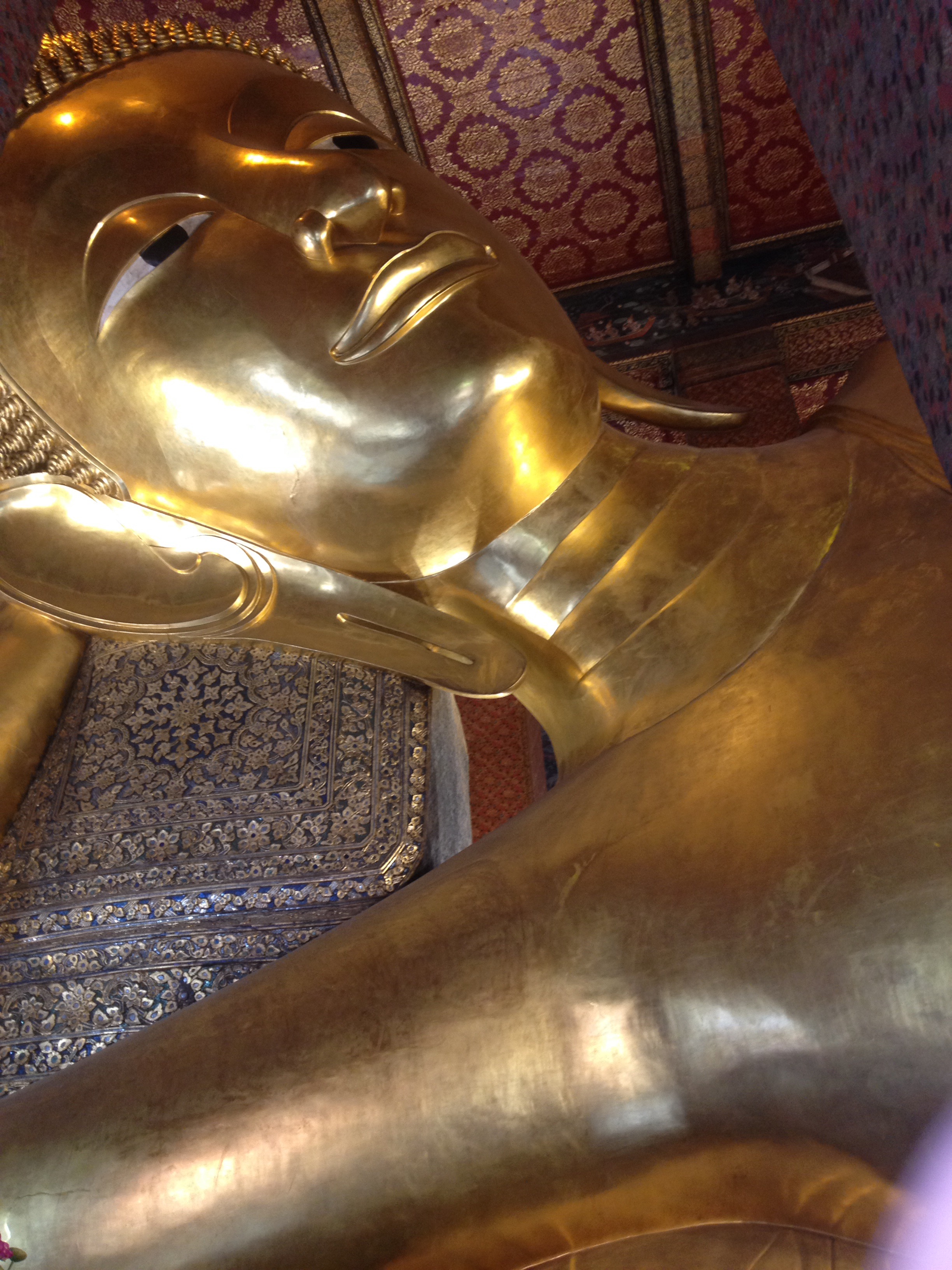
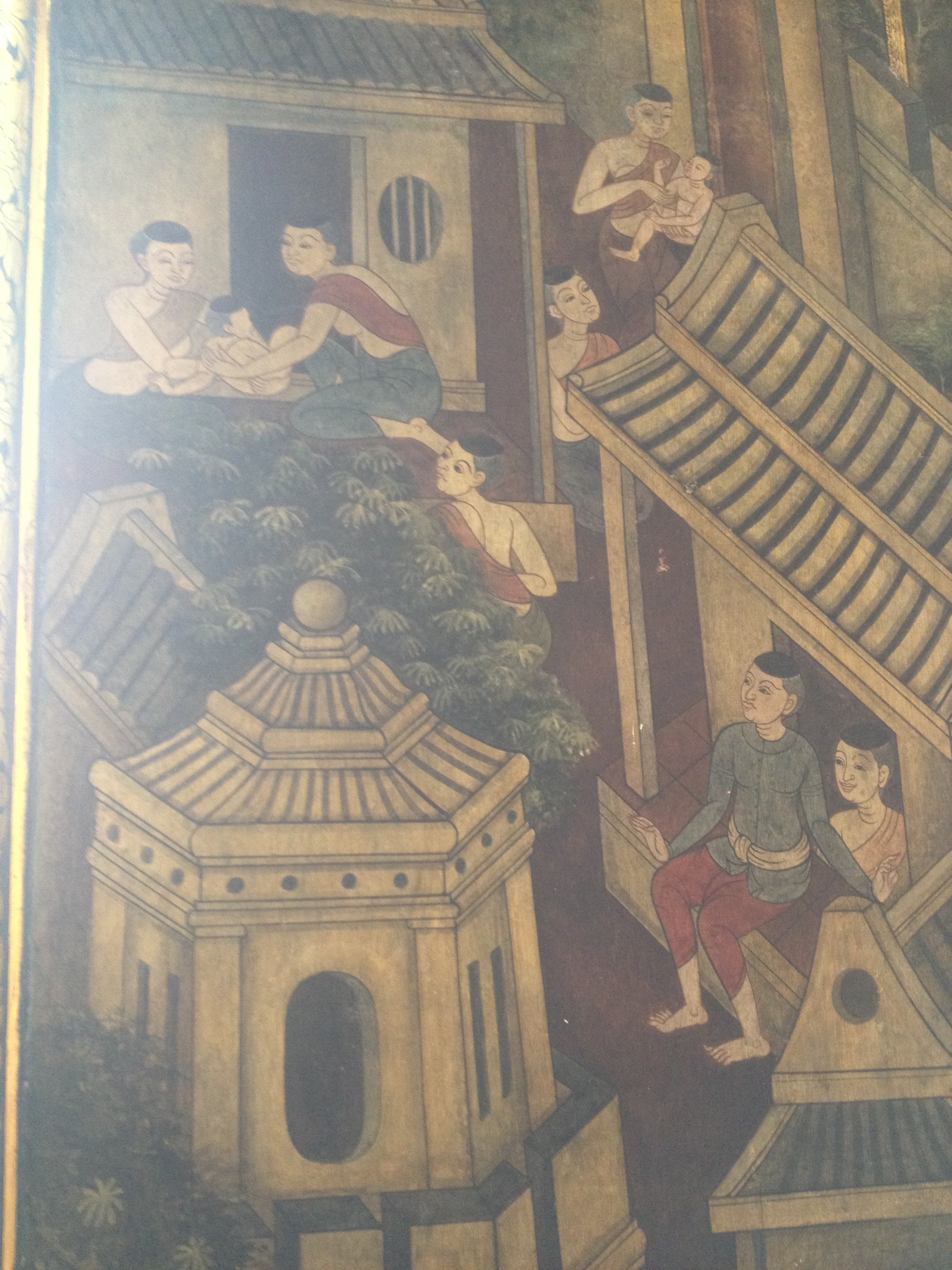
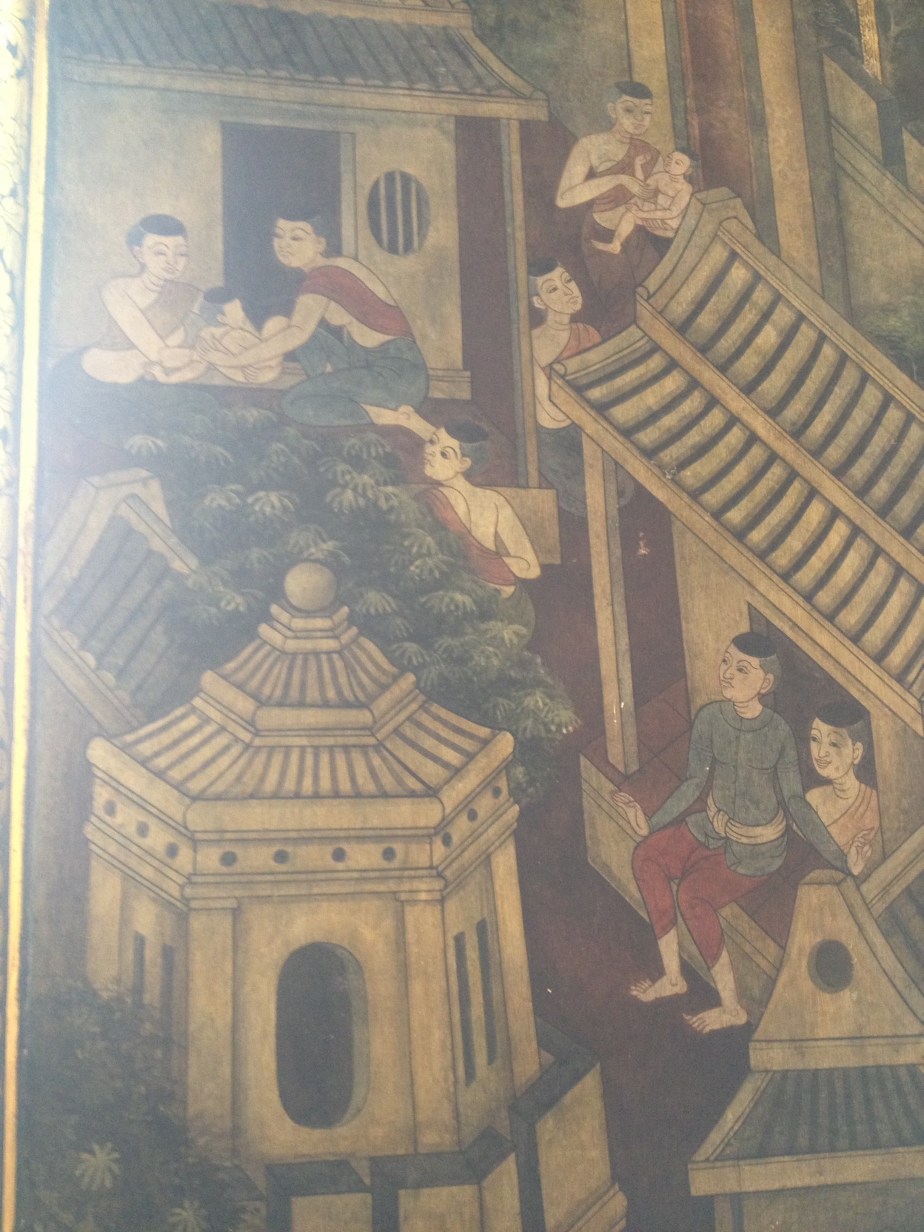
In Wat Pho, we felt the welcome relief of the fans throughout the building, but also wonderment at the giant golden Buddha casually reclining before us. You were able to walk around the whole statue, and see the walls covered with visual stories. A thought flickered across my mind — the women in these pictures, and sometimes men, wore garments covering one shoulder, often exposing the fleshy curves of their breasts. I laughed to myself that there were visual depictions of exactly what you were forbidden to wear in the temple. We walked around the grounds, where it was just as beautifully constructed, and contained a man-made waterfall, and pond of fish, as well as places for worship. 

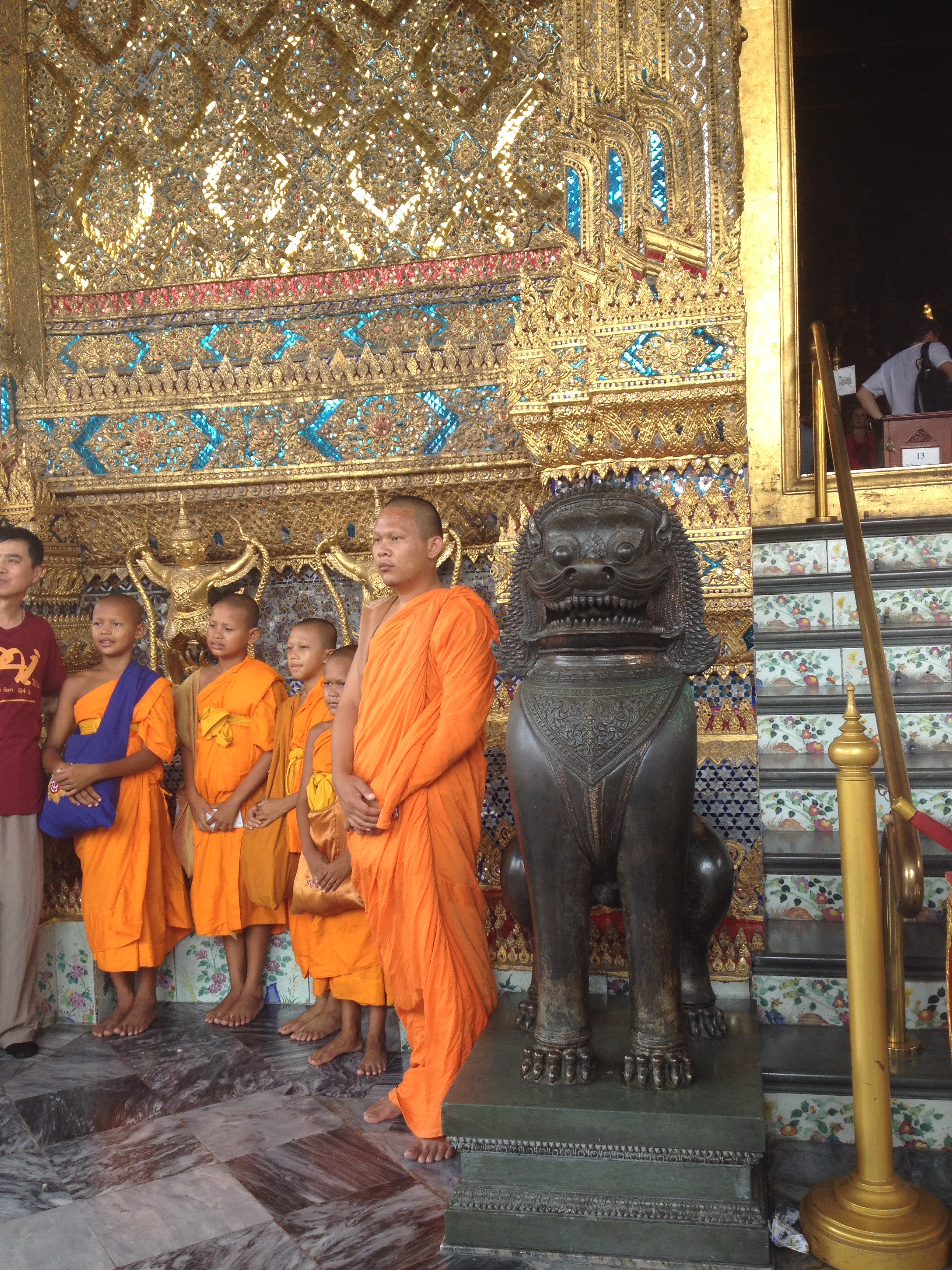
We walked outside toward a massive white building, which we assumed to contain The Grand Palace. We followed the direction of monks, and other visitors, and asked a guard where to go. He directed us, and we soon turned a corner to find ourselves in a non-moving crowd, that didn’t seem quite like a queue. In the near-distance, could see the entrance with more crowds of people around it. It seemed you needed to be more assertive with walking here — something I had little trouble with, coming from London. Before we had a chance to walk much further, we were pounced on by a man, saying that it was closed for the public, and monks only, until 1pm. I immediately knew it was a scam; despite him claiming he worked there, I could see he wasn’t at the entrance, nor was he in any uniform. It didn’t add up. Then he started to say that we could go to these other places, hollered at his mate, that he’d charge us something really cheap to go to all these places. It was beginning to grate. My boyfriend again hesitant to be rude, often tried to offer a “maybe later”, but I’d had enough and just said no and walked away. That’s been my attitude since then. It wasn’t even the last time — again and again we rejected offers to go places for 10 baht. This was a clear attempt at the notorious gem scandal, where tourists are taken to places that are most certainly not the attractions they want to see, then offered to buy worthless gems, fooled into believing they can make money back at home. One guy even drew a Buddha on my map to label such a location, and another followed us from a restaurant to a 7-11, and stood suspiciously close to my boyfriend in there.

Alas, when we did eventually come to the entrance, it was not only open but teeming with tourists! This was where my boyfriend’s long shorts didn’t quite cover his knees, and he had to put on these loose draw-string trousers on. All the different parts making up this area was incredibly expansive, and it was a struggle to get through it in the heat. At one point my boyfriend thought he couldn’t go on, as we kept pausing on steps to breathe and drink water. In hindsight, I would have opted to just get a taxi there, as the idea of waking up so early was to get there early early. There was so much to see, so I was determined to go on, despite having my own light-headed moment. A moment of calm, peace and serenity came when sat in The Temple of the Emerald Buddha (also note — make sure to always have your feet pointing away from the Buddha). There was a smell of flowers in the air, and tranquil sounds filled the busy building. Although not religious myself, you couldn’t help but feel a kind of spiritual connectedness. 
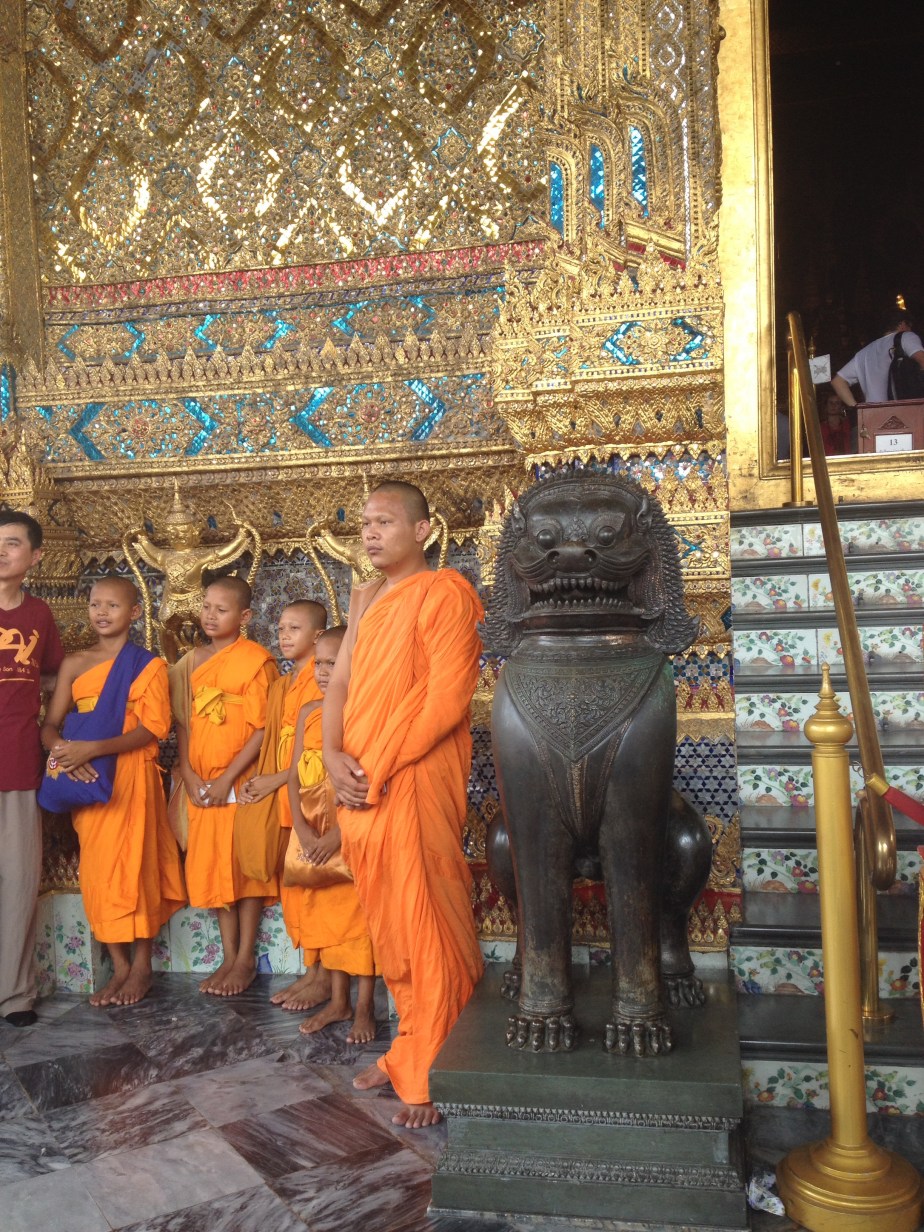

Once we had seen everything (we hoped) and were out of the grounds, we walked to the information point to ask about the SIM we hadn’t got from the airport (and probably should have done), only to find they were closed for lunch, with no return time. My boyfriend had just bought some very juicy pineapple sticks, but I wanted some proper food. My friend, who had been travelling for the past three months in South East Asia, had recommend a place on Khao San road, so we walked past what I identified as Sanam Luang Park, but might as well have been anywhere as we came to an impossible junction and finally gave up when a tuk-tuk came along, and we hopped on out of hunger, probably paying too much again.

Khao San road is the epicentre of backpackers — my friend and the two Canadians we had met earlier had stayed/were staying around the area. The string of bars, restaurants and market stalls (plus a handy 7-11 where we got a SIM card fitted into my boyfriend’s phone because mine wasn’t “unlocked”) meant it could be anywhere in the world. It was very touristy, but the food was welcome, we went to a place called “Lucky Beer” out of tiredness, and had a break from the spicier food from the previous night… You can feel the chilli the next day, shall we say! We didn’t have any beer, and once we had eaten a satisfactory meal, we soon found a taxi back to our hostel.
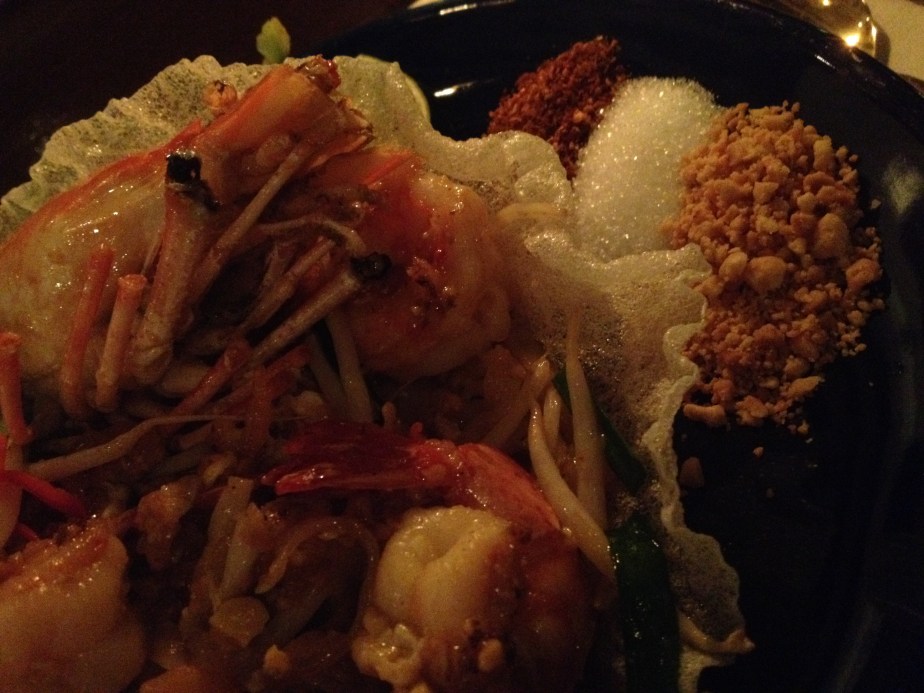

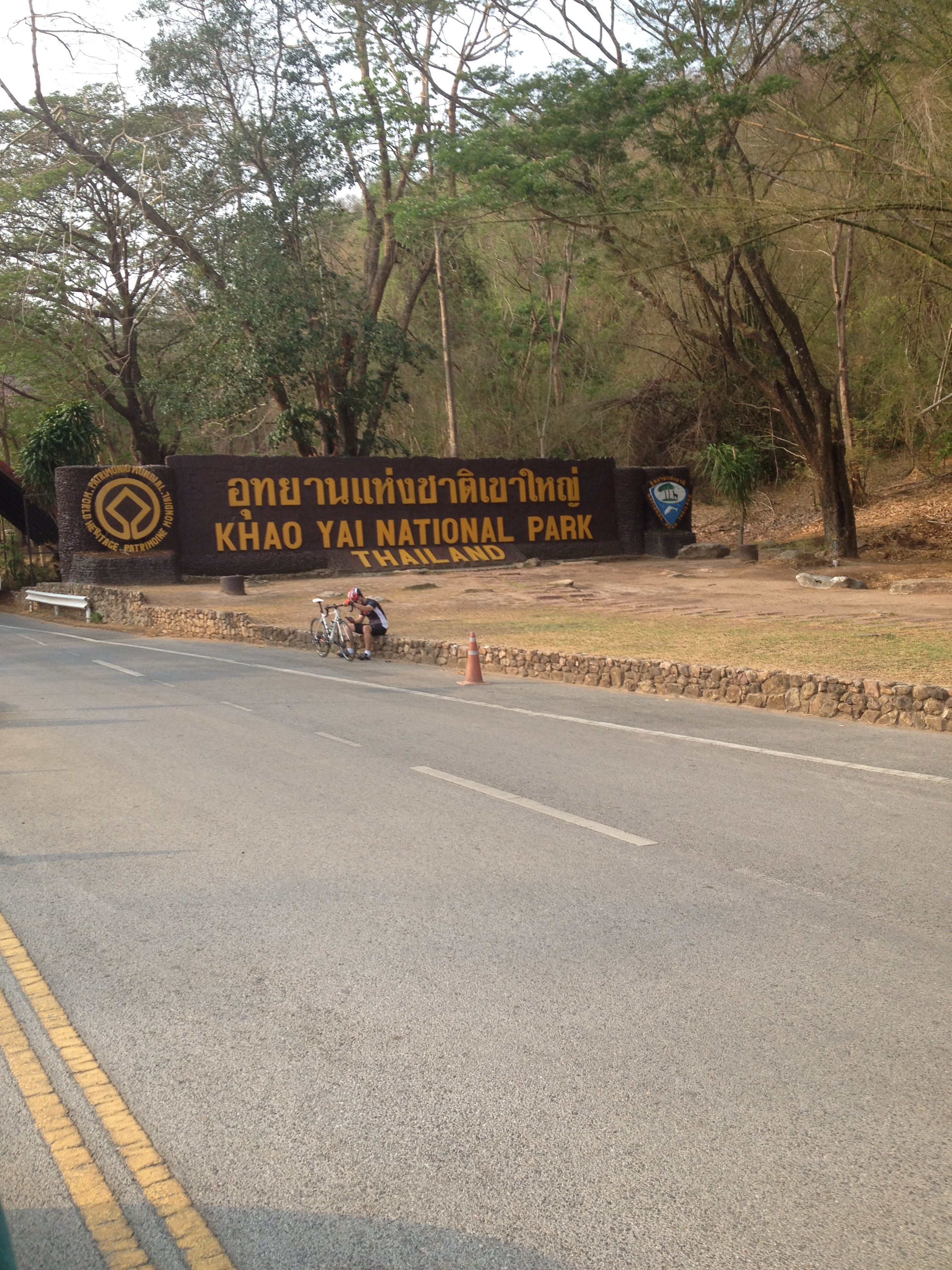
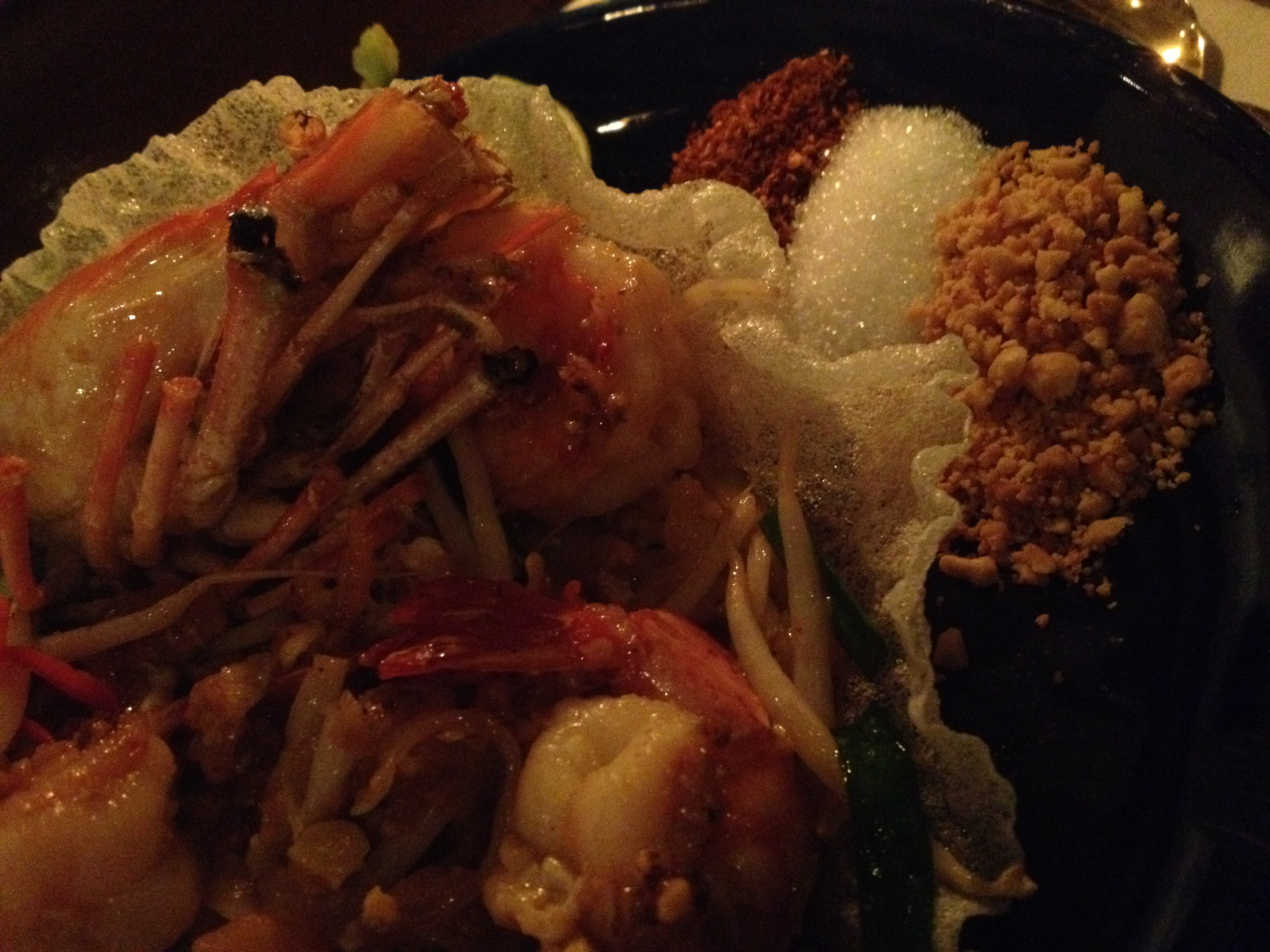
So far, we hadn’t been overly impressed by the food we’d eaten, having heard so many other friends rave about it. We opted for a fine-dining place called Blue Elephant, which turned out to be a chain. So, whilst I enjoyed the food (my boyfriend sadly disappointed again) it didn’t seem quite what we were looking for to go to a global chain, even if it was Thai food. We hadn’t dressed up, so felt a bit out of place with locals dressed to the nines, and my boyfriend even had to wear some more loose trousers, with a fancy trim when turned over and done up. It was funny, especially as there were two American women at the next table in hot pants and vest tops. Still confused about the Wei greeting at this stage (palms touching and head bowing), when the guard saluted me, I didn’t know what to do and half-saluted him back. I had my favourite Thai dishes there, so I was happy — vegetable spring rolls, chicken satay and prawn pad Thai. I was even given a flower on exiting, which I left in the room at the hostel, as we were already moving on to the next stop — Pak Chong.

(Note: I stopped writing this on the third paragraph, and it’s not 10 days into our Thailand trip! Hopefully I’ll get another chance in a couple of days! Also, please excuse any typos when writing these on ipad/iPhone.)
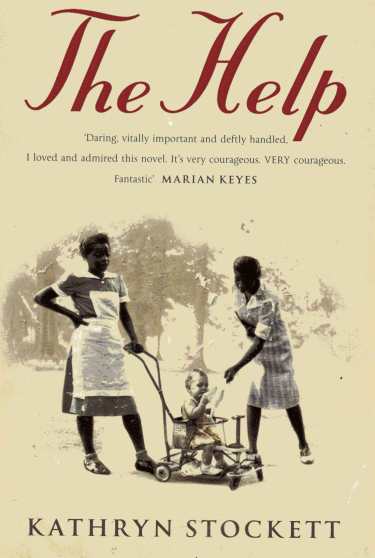
The Help by Kathryn Stockett – Book Group

Before leaving my place of work last Friday, I wanted to share a piece on what happened when we had a book group on The Help by Kathryn Stockett. The demographic of the group was mainly British-Bangladeshi students in Year 10 and 12, with maybe one or two white students, and four white members of staff. I feel this added an important dynamic to the group, with a book centred around race. There was no passionate argument asserted with regard to the book, perhaps because, although about race, the students were able to distance themselves from the plight of the African-American characters rather than see white supremacy as an obvious oppressor.

It is also true that the white members of staff, despite wanting to encourage an open discussion on race relations, would have had an influence on the discussion merely by being present as figures of authority. Within that position, I created a Power Point that brought up questions to challenge their initial gushing positive comments. Nobody doubted that Stockett is a talented writer – I read it over the Christmas holiday period (2015), and also agreed that I felt engaged throughout it. Hence it was a best seller at the time of publication, and was made into a film, which I had seen prior to reading the book.  However, when it comes to authenticity, did Stockett have the right to publish such a work of fiction?

the-help

Through the discussion, students reacted at first that the characters were realistic, but were able to consider this thought when asked to think further on which characters were fully developed, who was driving the narrative etc. We didn’t touch on the fact that Stockett had also been in the middle of a lawsuit on just how real her characters were. A tale of a coming together of black maids and one white outcasted woman, I would say that the target audience is white women. That is to whom the feel-good factor appeals. As we went on, we gradually began to touch on deeper issues in terms of Stockett’s benefiting financially from writing of the oppression of a group that is not her own.

The students gave a balanced view and were comfortable with the greyness of enjoying a book, yet being able to critique it.  We connected it with another successful book depicting a similar “white saviour” narrative, written in the 1960s – that is, of course, Harper Lee’s To Kill a Mockingbird. So, overall, yes, we can enjoy reading such books, but we must remain critical of them too. I haven’t read the sequel Lee wrote, though am interested in the perspective that Atticus turned into a racist. Because over 50 years on, surely we should know more about those such as Anne Moody and her autobiography written before and during the Civil Rights Movement, and stories should move beyond the depiction of black people as subservient to white people, and authors such as Chimamanda Ngozi Adichie should be the kinds of writers we read when book groups meet to discuss works of fiction (whose Americanah I suggested before my departure).

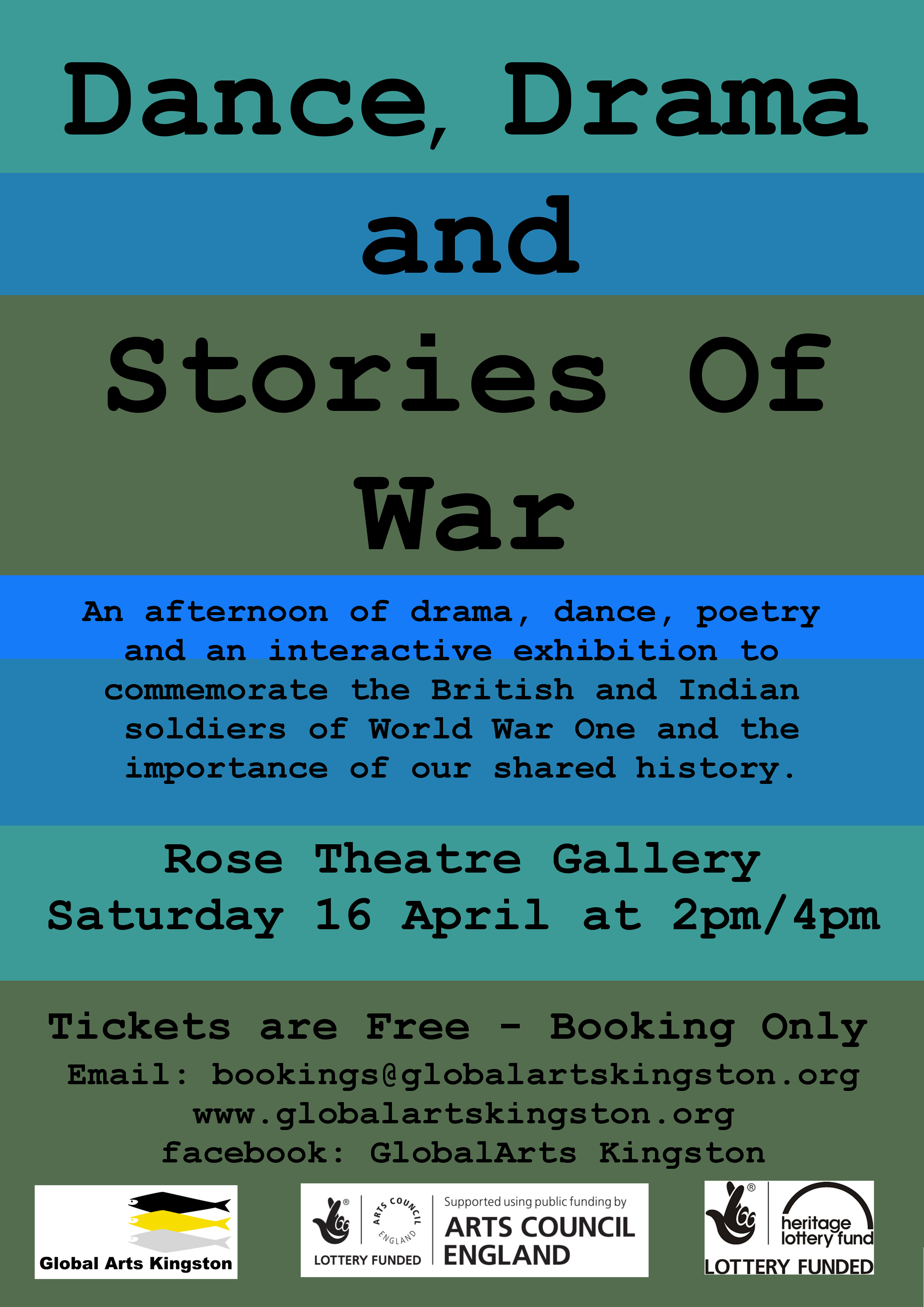
16.04.16 – Dance, Drama and Stories of War

T and T poster

Commissioned poetry about Indian soldiers in WWI and WWII.

Join the event here.

Find out more about Global Arts here.

Feminist Poetry

One funny (aka annoying) thing about identifying as a Feminist and being relatively vocal about it as a poet (like putting on an event with women-only features) is that you get put in a particular box.

The thing is, the whole point of Feminism is to not be put in a box; it’s about dismantling binaries of gender, and dichotomies such as the infamous virgin/whore one. I guess that’s why lots of people have been sharing comment from Maisie Williams about the label “Feminist” – reducing it to the simple catchy phrase that anyone who isn’t Feminist should be labelled “sexist”. I don’t want to go too far into this part, because the statement that is being shared is reductive and denies the nuances of sexism and misogyny, but it also denies the complexity of what Williams was trying to express, which was actually about trolling and shame, rather than Feminism (in fact the idea that women can be just as nasty as men is Feminist). Her words have been taken way too far out of context,now having read the original interview. One critic I have is that by labelling people “sexist”, you’re actually perpetuating the culture of shame (I haven’t read this yet, but I think it will be really eye-opening when I do).

Red tick in box

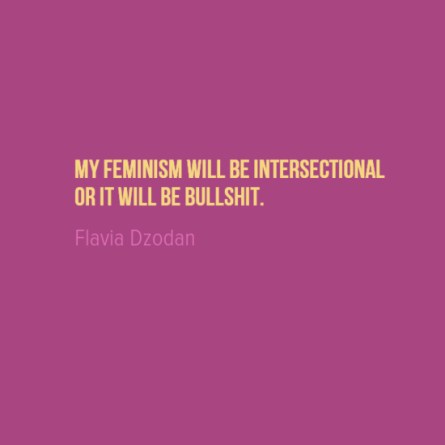
I’m categorically not interested in arguing about whether we need the label “Feminism” needs to go, or whether it needs a rebrand. It is a type of activism related to gender, acknowledging the systematic oppression of women throughout history. And personally, Feminism needs to strive to be intersectional – how can you care about women if it’s only one type of woman? This means that you listen to people from other oppressed groups and take on board what they say, taking into account some of your own privilege. I strongly believe that patriarchy damages men and boys, and this is something that is very much a part of my Feminism, yet within this an understanding that men and boys have also tended to benefit from the system. If people want to know what Feminism is today, my recommendations are:

bell hooks – everything
Laura Bates – Everyday Sexism
Michael Kimmel – his books, but also him speaking

default

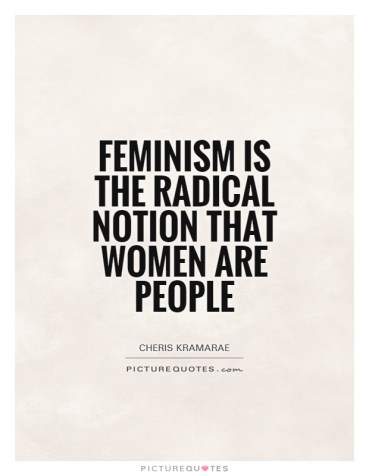
But anyway, I’ve got carried away. What I really wanted to say (moan about) is about the conflict I have between my Feminism being an important part of my identity and yet people sometimes have the trouble to see that this means that I am a person, a human being, and not an object or a number to get a certain quota. It’s important to me to write poetry on Feminism and it’s something I’ve been doing for around 9 years, since I started to take my poetry to the microphone. When I was younger I wrote about being a Feminist who waxes (and a guy in the audience asked me if I was really a Feminist – shock, horror!) and about the beauty industry. Recently, I still write about these kinds of topics, but also about female genital cutting, rape as a weapon of war, and dismantling damaging notions of masculinity. However, when I started writing poetry, it was sickeningly and overwhelmingly about boys. I look back now and I laugh (cringe) because I can’t even remember who the hell I’ve written about so emotively. I mean, I once wrote a poem about a guy I fancied at a club who had a broken arm. I won “Best Loss Poem” at Glam Slam in 2011 with a tale of heart-break, after a string of unrequited love/lust/infatuation. Things aren’t always easy just because you’re in a relationship, so I still have a few sombre poems, but also a whole host of lovey-dovey poems, which are really hard to write well!feminism-is-the-radical-notion-that-women-are-people-quote-1

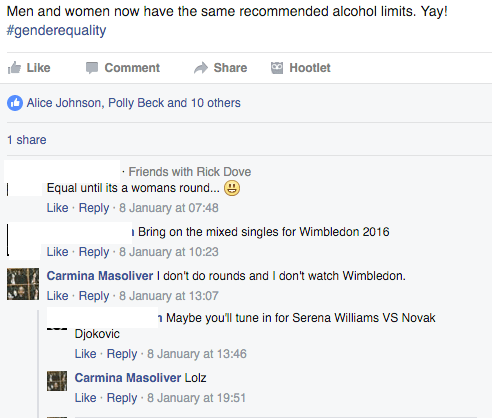
The point is that about 5% of my material is overtly Feminist, but Feminist lines and themes will slip in because it is such a big part of my being. And let’s not get me started on the comment (insult) that one guy made about my work being “very feminine”. It was the only comment he said, and he spoke with a sneer, out of his judgemental, condescending nose. However, there is also very little I don’t write about as I play with different forms and get inspired by different things. I guess it’s difficult because when you become a brand to market – as sadly you do when you put yourself out there in the creative industries – people want something like “Feminist poet” to cling to. Perhaps what concerns me is how others perceive me, and I worry that there may be any negativity surrounding this. But is this real or imagined? A certain poet has seemed to change their mind about sexism being morally wrong, but it seems to be going well for them. Like, my hashtag below was a joke, yet the “joke” responses that followed weren’t at all funny in my opinion… but then, Feminists have no sense of humour, so… I didn’t know how to respond to someone who is meant to be a peer, and who I expect to be respectful, so a simple sarcastic “lolz” was all I could muster.

Screen Shot 2016-04-12 at 22.20.28

Anyway, I guess I need to remember what Benjamin Zephaniah once told me – that if you are a black woman who is a lesbian and in a wheelchair, you have to write some poems about other things than those aspects of your identity. So, there’s only so many poems I can share about Feminism before people will think that’s all I do! So I guess I need to be aware of what I put out there, and share every part of my writing more widely, not just the more political pieces. Maybe it will make up for all my Feminist ranting. But one thing’s for sure – I will never give up on Feminism or on myself! I’ve been through a tough time recently, but Destiny’s Child and Christina Aguilera and Nirvana have helped me through it! And now I have been writing for so long, but I feel good getting it out! 💪

Wellbeing: World Bipolar Day

mooddisorders

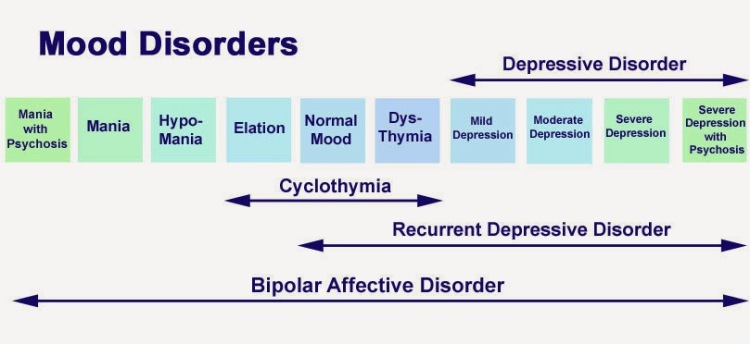
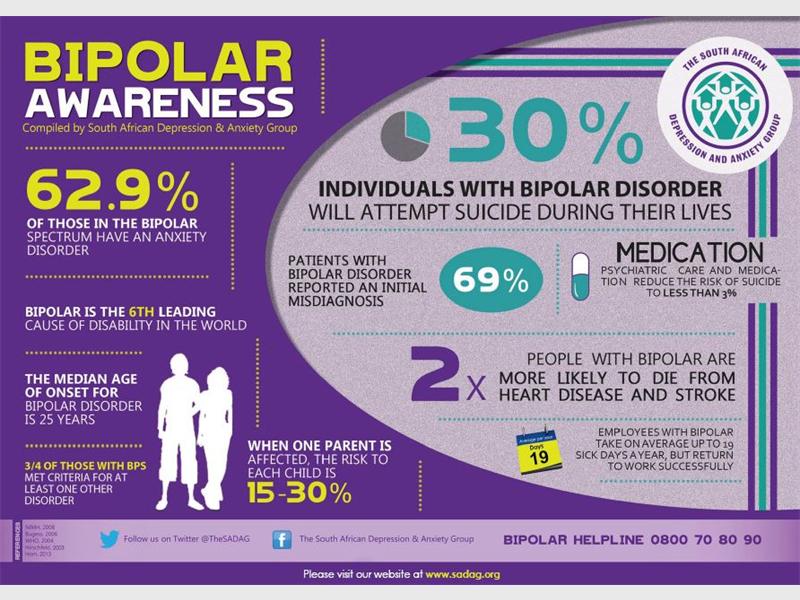
I’ve never been properly diagnosed, because I’m sure it would be more official, but a doctor once told me I have cyclothymia. It’s a mild form of bipolar disorder, and means that my functioning isn’t as impaired as those who have bipolar type I or II because it consists of mild depression and hypomania. Interestingly, I have had a diagnosis of GAD (Generalised Anxiety Disorder), and below it states that 62.9& of those on the bipolar spectrum also have an anxiety disorder. I feel like a lot of the time my mood is an internal thing that fluctuates, just as anyone’s does, but it means the extremities aren’t always visible. It can then get to a stage where, not necessarily feeling like I bottle things up, but, it can feel like things have built up to boiling point.

The last couple of days I’ve gone from mild depression to hypomania. I would say that today has been close to “normal”, but it can be hard to define what that is, and I’m currently writing this past 11pm, knowing that this will mean a late night, but also feeling anxious about how it will impact on my day tomorrow. I want to exercise in the morning and have time to fit in washing my hair in time for me to be able to go out later with dry hair. I have a CBT appointment and I have no idea whether I’ve been doing what I was meant to be doing.

capture_86432

So, yesterday my mood was sent spiralling after feeling upset about a conversation and that relationship, and had a stressful time after I booked a train ticket to arrive at home when I’ll already be in another city. I had expected to do a whole load of things that afternoon and ended up only just getting through my emails. I was meant to cook for my mum, but after falling into a deep sadness, combined with incredible rage and sense of hopelessness, I had lost my appetite. Anyone who knows me will know that I very rarely lose my appetite. I felt guilty about what little I’d done, and the hassle with trainline.com had me feeling pessimistic about recovering any positive feelings that night. So, what helped? The cooking I eventually did helped, talking to my mum helped, and so did accepting things the way they were. I had a bath, ate chocolate, watched a film and a reasonably good night’s sleep, though disrupted by waking early. I did also write some poetry for pleasure before I went to sleep, and it was a really important, cathartic experience.

Today I was lucky to have a main focus for my attention, which was a poetry commission I’m working on. I had a doctor’s appointment, and I have to walked through a field of horses to get there, which always seems bizarre to me. I felt really irritable throughout the walk – towards dogs, towards children, towards everyone – but I also felt empowered by taking ownership of the day, and I think the walking helped. The sun was shining, I had shades on, and I was listening to Destiny’s Child. I returned to my poems when I was home and combined research and writing. I didn’t finish, and I didn’t get to write any of the novel, but I was glad at my focus and what I had achieved. I was also able to fit in a couple hundred words of that novel in between getting injections and getting some soup at EAT before attending a poetry workshop. My focus on these creative pursuits enabled me to move on from how I was feeling the day before, and also to take the focus away from the relationship, personalising the conversation I’d had, so that when I talked to that person again, the conversation was good for both of us.

So, other than the parts highlighted in bold in both of these passages, I thought I’d write a list of things that have helped me in my own wellbeing. I thought it was interesting to describe about it in terms of these two days, but it’s also worth noting that it can be outwardly more extreme from cartwheeling in public spaces to crying lots and self-harming (although anxiety might have a bit to do with this too). So, some things:

-Meditation
-Relaxing baths
-Massages
-Playing sad songs/watching sad films (or uplifting ones)
-Singing
-Exercise
-Good support system – talking to friends and family, or online forums
-Being creative in a cathartic way (as opposed to professional/work stuff)
-Cooking (cleaning and gardening may be similar for others)
-Reminding yourself of positive qualities and who you are
-Making fun plans to look forward to
-Chocolate/treating yourself

Things to avoid:
-Long internet sessions without purpose, especially when comparing self with others
-Not doing anything or wanting to do too much – focus on one goal at a time
-Pushing away loved ones
-Drinking alcohol excessively

So, these things are just touching the surface, but for me it was important to make a list, to remind myself that all these things are as worthwhile as ticking things off my to-do list. It’s really hard to listen to what you need in the moment, and I don’t really know what my own patterns are in terms of cyclothymia, but that’ll be something I figure out. With or without such labels, these things are important for everyone to remember.

Oh, and for poetry, play the video on here – Emily Harrison, open about her own bipolar disorder, and also an excellent poet.She also has a book out.

Sex Work

I’ve been avoiding writing about this topic, because I know it is so sensitive and I am, quite frankly, afraid of putting a foot wrong just to speak my mind.

It is something I am undecided on, and that I find it so difficult to be decided on. I figure it’s partly a good thing, as it maybe means I’m more open to listening than on topics where I have vehement opinions.

Feminism in London (2015) took a stance on the issue by giving a platform to women who support the Nordic model, including ex-sex workers, and women who have been trafficked. When I saw this, although I didn’t agree with 100% of the methods, I was completely convinced.

At Women of the World this year, they showed both sides through performance, but didn’t try to have a panel on it (due to past occurrences I think). In turn, this meant it didn’t take a position on the issue. And I got the impression that Founder and Artistic Director, Jude Kelly, didn’t really know where she stood on this matter either.

I recently watched this video below and I couldn’t recommend it more.

It runs through the following options when thinking about sex work and legality:

-Full criminalisation: seller, buyer, third parties.

-Partial crimination: selling and buying legal, but other activities (e.g. selling on streets, in brothels) banned.

-Nordic model: criminalising buyer, not the seller.

-Legalisation: all legal!

And what do sex workers want? Decriminalisation. 

One of the issues FiL picked on with this, was how it differs to legalisation, and they argued that it doesn’t (but have a read of this). Whilst I couldn’t help but feel sympathy for people trafficked into sex work – including one speaking at this event – Toni Mac makes a good point that people are trafficked into other industries and nobody calls for a ban on the entire industry itself. But then again, I read that 95% of victims of trafficking are forced into sex work. Needless to say that most of these people are women. So, it shows that this is to do with women’s position in society; the fact that it’s a gendered issue is obviously going to provoke ideas that all sex work is a form of violence against women. But some women do choose it, so where do they fit in? Often people point out the issue with capitalism and that sex work is simply another form of exploitation. It begs the question of whether it matters whether its sex work or not.

What I find difficult may be a process of unlearning. As much as I don’t want to add to the stigma against sex workers, I am uncomfortable with what I have heard  about legalisation in Germany, where sex has been marketed within a deal where you also get a beer and a hot dog, dehumanising the women involved. That this advertising will be seen with young children, that on family tours these children will see themselves reflected differently. I really hope that decriminalisation won’t mean the same thing happening. As someone who works with young people, I can’t see myself promoting sex work as a viable career choice to those that I work with, especially when wanting to encourage young women not to limit themselves or see themselves as objects. Women are already objects in advertising for tech job recruitment and more, so how, in an unequal society, with women making up a majority of sex workers, can we make progress so that fewer women are exploited for their bodies?

For me, sex work is like no other work, which is what makes it so difficult to get my head around. However, if this is to do my relationship with sex as an act that is uniquely intimate, then perhaps what is needed is better understanding, more voices from sex workers, about the work they do and how they negotiate it with other aspects of their lives. At FiL I heard statistics about the mental processes of sex work, the disassociation, that it takes 3-7 years for sex workers to see themselves as being exploited, that many will tell themselves they enjoy their job etc. It is also where I heard the term “prostituted women” and thought I understood the phrase, only then to read something that argued that by saying that of all sex workers, you take away their agency.

Part of what I’m uneasy about is the idea that if we decriminalise sex work, that we are accepting that we can’t do anything about its existence. FiL argued “we don’t want a reform, we want a revolution.” But when that revolution appears to be impossible, it seems to make sense to do whatever it takes to protect those most in danger of suffering at the hands of these four failed models. After all, Toni Mac states that “Prohibition barely makes a difference to the amount of people actually doing those things, but it makes a huge difference as to whether they’re safe when they do them.”

She goes on to say that “you can’t simply legislate a better world into existence.” You simply can’t disagree with this statement because so much of this is cultural, and changing attitudes is massively challenging. I can see everyday with my work with children how ingrained sexism and misogyny (as well as so much more) is on this young people. Again, Toni Mac makes a very powerful point about the question “Would you want your daughter doing it?” which has been my thoughts, not necessarily in terms of my daughter, who doesn’t yet exist, but more about the young women with whom I work. But Toni Mac turns it around and gets you to imagine that she’s already doing it, asking “How safe is she at work tonight? Why isn’t she safer?”

New Zealand is the only place that has decriminalisation in place, written in collaboration with sex workers, and I guess all we can do is see what happens and hope we finally have a solution. So far, things seem to be working well. I admit, I have been guilty of seeing sex workers as either victim or privileged, and this post itself definitely isn’t perfect. But I’m trying to understand, and where I can, to learn about sex work from all voices who have the experience to speak; I will listen and try to be a better ally.

“If you care about gender equality, or poverty or migration or public health, then sex workers’ rights matter to you.” 

World Poetry Day: Palm Sunday

Palm Sunday

For my friends and loved ones, the Year 11 girl whose grandma passed away this weekend, and for anyone else this may comfort.

Here, have these blessed things,
carry them with you as you journey home.
This knowledge will make you feel safe,
though you don’t really have that kind of faith.
It is spring now, and though you are alone,
soon you’ll be a pair of birds spreading wings.

Sometimes life leaves you standing in the wings,
and you can’t think of your lines, amongst the many things
going on around you – so many people, yet so alone,
and you’re sure what to call “home”
and all these months you’ve had faith,
but they were the one who made you feel safe

and you’re old as slang saying good is “safe”,
ending nights out with chips, fried chicken wings,
garlic bread, the echo of dance tracks from Faith-
less, swimming through the airwaves, thinking things
would always be this way, that home
would always be there, with family, not alone.

Never has the word held more weight: alone
like scissors to the nets that kept you safe
and in the truest sense of the word, you’re not home-
less, but it’s like being forced to fly with clipped wings.
Trying to remember how you dreamt of so many things
and you know you have to embrace fear, have faith

that this life is possible with enough self-belief and faith,
that you will have to build walls of arms, so you’re not alone
and force yourself to remember all the things
that seem so painful now, that you will be safe
because there are angels spreading wings
to guide you, and where you land will be your home.

Follow your heart home, and you won’t be alone.
Papier-mâché your faith, and you will be safe
as you spread your wings, you’ll see so many things.

Wellbeing: Learning to Listen to Myself

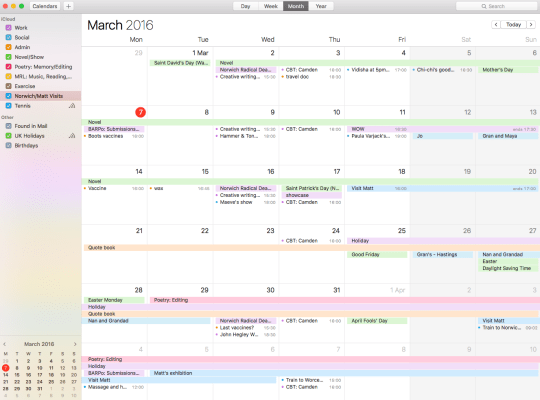
When you’re a planner and your life is made of calendar dates and Excel spreadsheets, it can be hard to relax. Even a fun poetry night or a social occasion can be in danger of becoming another item to tick off. Trying to listen to what I actually want to do with myself? Almost impossible.

Screen Shot 2016-03-07 at 19.47.45

So, I am trying to do less, to give myself more time to reprioritise, because sometimes part of this comes down to being unable to know what’s important. During my last CBT session, I admitted that even I – known to many as being hyper-productive – can procrastinate.

At the moment I want to continue a currently unfinished novel I started two years ago during NaNoWriMo. Whilst at times I had reasonable excuses to avoid completing it, since the beginning of this year I have purposely been staying in more, so I can write more. And I have written a lot of poems, and that has made me happy. I’m taking part in an online writing group where we are writing a sonnet a day for 40 days to coincide with lent (just let me not to give up, but to take on).

So, working out things at the top of my priorities, with an impending deadline being that I am leaving the country in less than two months. So, I want to finish my novel, and I want to edit and consolidate my existing poetry. Instead of tackling these after I’ve written the poem of the day (not to mention the past few months before I started doing that). I will complete easier tasks, like emails, researching travel, doing applications for things, and I will even put things off by playing games (like a normal person).

maxresdefault

However, even as I write this, I’m thinking… actually, I wanted to blog more regularly, and I’m doing okay at that at the moment. But other things pop into my head – I want to learn Spanish, or at least go on DuoLingo regularly enough to keep my topics golden. I want to write creatively everyday, which I’m doing and would like to keep up. I want to keep on top of my diary. And I want to read more! I just read Margaret Atwood’s The Handmaid’s Tale in less than a week because I set myself that as a goal, and it helped that it was an incredible book – a captivating storyline, but also rich in its language, very poetic.

Apparently, I could also do with some “unstructured time” and have been trying that with my CBT. Maybe it’s because it’s connected to building tolerance to uncertainty (I hate uncertainty), and that I feel guilty when I spontaneously play a game, but I feel like I would benefit more from structuring this time loosely… having a reading goal not only helped me achieve something in a sense, but I was able to enjoy it because the activity itself is a form of relaxation, as well as being mentally and creatively stimulating.

One of the best things about having creative ambitions means I never run the risk of becoming bored. Even when I thought I would be bored re-reading this terrible “novel” of mine, it was actually interesting and giving myself a time-goal really helped with that. I’m nearing 27 years of age, and whilst that’s a terrifying prospect having quit my job and moving (temporarily) out of my parents’ house to go abroad, there are some cool things that maybe some people can only experience at such an age.

58106623

Although it’s not specifically related to being 27, I feel like I’m really focused on different goals, and actually being able to begin to prioritise a bit more successfully. Except maybe for the rare urge to drink lots and dance, I now take great pleasure in meals out and quiet pubs. Like, can we go somewhere we can actually hear each other? And did I mention ‘Things the Grandchildren Should Know’ by Mark Oliver Everett? Not the book format, but the audio version. For a while I got really excited about audio books, but didn’t manage to find another one like it. The storytelling was on point, but it also utilized the form by playing music (Everett is in the band Eels) throughout it. If anyone can recommend me any more of those, please do. I tried to listen to one on Patti Smith, but felt frustrated by the lack of music.

I also used to hate sleep, and being cyclothymic I sometimes want to stay up late/all night, but for the most part, I enjoy that feeling now of getting into PJs fresh from a hot bath and cuddling up in bed. I’m lucky if I get 7 hours, but I actually appreciate sleep so much more than I used to. It’s a habit I’ve not quite ingrained in my psyche, but I also enjoy a bit of meditation (Head Space, standard) and mostly use it to settle before bed (okay, on a good night, I’ll fall asleep during it). It’s still difficult to pull away from activity, and nowadays to even look at just one screen at a time, to relax in ways not involving screens.

So, what I’m trying to do more is to be flexible, to be kind to myself and not punish myself for not finishing my to-do lists when they’ve been overly ambitious, or when getting expensive travel vaccinations have delayed going home. I’m learning to listen to myself more, in terms of what I’m doing with my time. The other week, I had an argument that resulted in me being intensely emotional, and I felt a strong need to write in my diary. I couldn’t do anything else until I had got my feelings out, feelings I had been avoiding expressing, without even realising I needed to, because I couldn’t form the words until that point.

Life even at its most comfortable, isn’t always easy to figure out how to do. So, turning 27 soon is just about continuing the journey, trying to listen to what you need and want to do day-to-day.

Myers-Briggs Personality Types: INFJ

People always misunderstand me, because I’ve got such a rare personality type.

This is kind of a joke, but I’m also deadly serious.

eb65db5239764bb3a213a73bc7f0da95

Sometimes even my humour hits a brick wall with people who don’t know me well. I’m quite a serious and reserved person, but that doesn’t mean I can’t let my hair down and have a laugh too.

Less than 1% of the population are INFJs. After feeling misunderstood so much as a teenager, the fact that it hasn’t stopped there has meant finding out my personality type has offered some explanation as to why that might be. If not a lot of people are like me, then how can they totally understand me?

Print

Some people don’t like labels, and sometimes I even resist depending on who is saying it. I’ve often felt sensitive about being called an introvert, or shy, or quiet. So much so that I’m wanting to write something about these things. The idea got long-listed and high commended for the Sky Arts Scholarship once, so it’s something I definitely want to pursue. So as much as I identify as an introvert or whatever, any comment from people I don’t know that well having noticed something, and because of our society’s often negative depiction of those who are this way inclined, I can get a bit defensive.

8632e7b6f73c3280c5c1aead053de3cb

Sometimes being an INFJ feels like being a mass of contradictions. Although I don’t like conflict, I do get angry about things and vocalise that anger when I feel I’m able to do so. This means the people I’m closest too don’t see that anger as a surprise, but why I once had a colleague who found it very funny when I would go on my little rants about someone who’d irritated me, or something that had irked the feminist part of me. When I was younger, I maybe tended to be more agreeable, but I’m now very opinionated and decisive about things, so as much as I might agree with certain things, sometimes it can be “my way or the highway”. Reading through the description, which can often seem very complimentary, and the notion that it’s a “rare” personality type can mislead you into thinking there’s something elevated about being an INFJ. But we have flaws like anyone else, and as much as being altruistic, caring and supportive is important to us, getting riled up and fixating on particular expectations can mean upset for both parties when there’s a conflict.

infj

One of the things that got me interested in exploring my affiliation with this personality type, was a Burn After Reading workshop on projected identities. Because at different points I may project different things, and people will make assumptions based on that. Because I’m able to communicate well the more I know people, and have learnt to adapt to situations where I’m with strangers, I find the acquaintance-friend gap really hard to get my head around and sometimes I worry about coming across rude, simply because I find certain situations hard to navigate. If I don’t expect to see someone in the street, I may pretend not to see them, or if someone calls but I’m focused on something else and unprepared to talk, I might screen the call and get back to them. Not because I intend to be rude, but I just find it very difficult to handle.

There is so much more to say about the INFJ, as with all personality types, but I just wanted to highlight a bit about the type and why we can often feel misunderstood.

scaled_full_b27a9d9e9e16425db9b0
I’ve just discovered all these amazing memes.

Acts of Kindness

After writing this post, I redrafted a poem from a couple of years ago (something I’m meaning to do with a lot of poems). The act of kindness described in this post made me think of a workshop with Deanna Rodger, where the prompt “what’s the kindest thing you’ve done?” inspired an earlier draft of the poem below. Let me know what you think.

The last kind thing I did was spending
money on something I had no interest in.
I did that for someone else.

Thinking about kindness now,
it’s tied up to money somehow:
an exchange. A smart black suit,

food and bills. After a month
I wanted to raise money for charity,
wanted to run further than I’d been before.

Lately, I’ve felt tension in my back;
weekends and 9-5s do not line up.
Because we all need money, don’t we?

And so it seems, I want my own
gratification more than I want
to help move things forward from this pain.