Blog

22.11.14: Reclaim the Night

Whitehall Place, SW1 in Central London at 6pm

12.11.14: Loose Muse

Poetry Cafe, Covent Garden

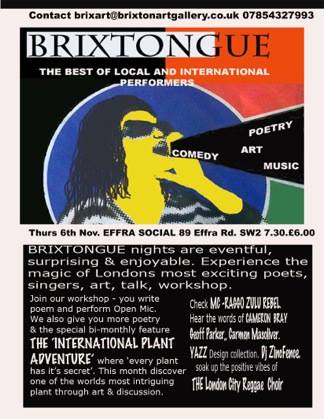
06.11.14: Bixtongue

EFFRA SOCIAL

BRIXTON SW2 1DF

10606107_301277056744896_3020573914221899257_n

Norwich Love – from Art in My Mouth to the Waterfront

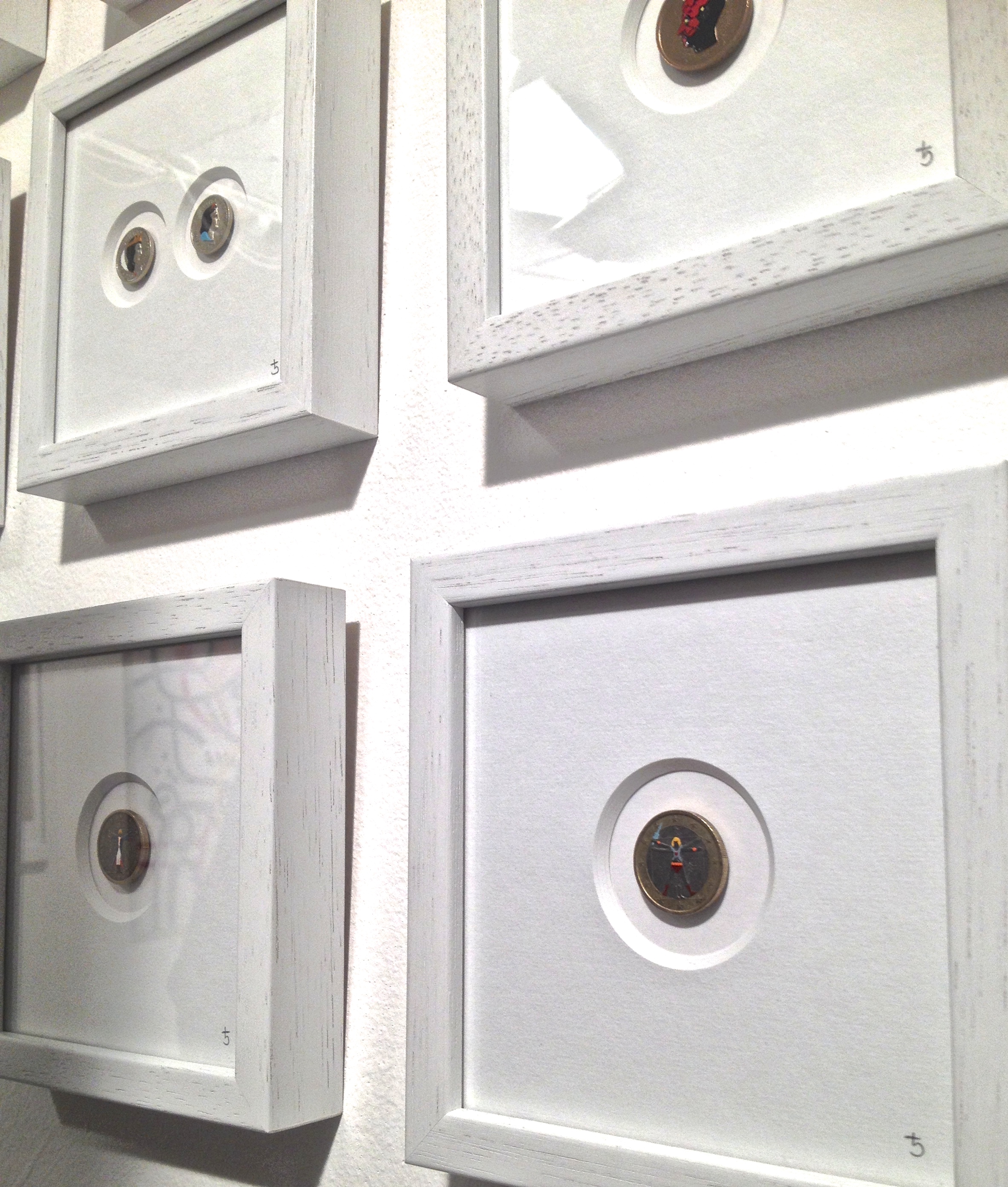
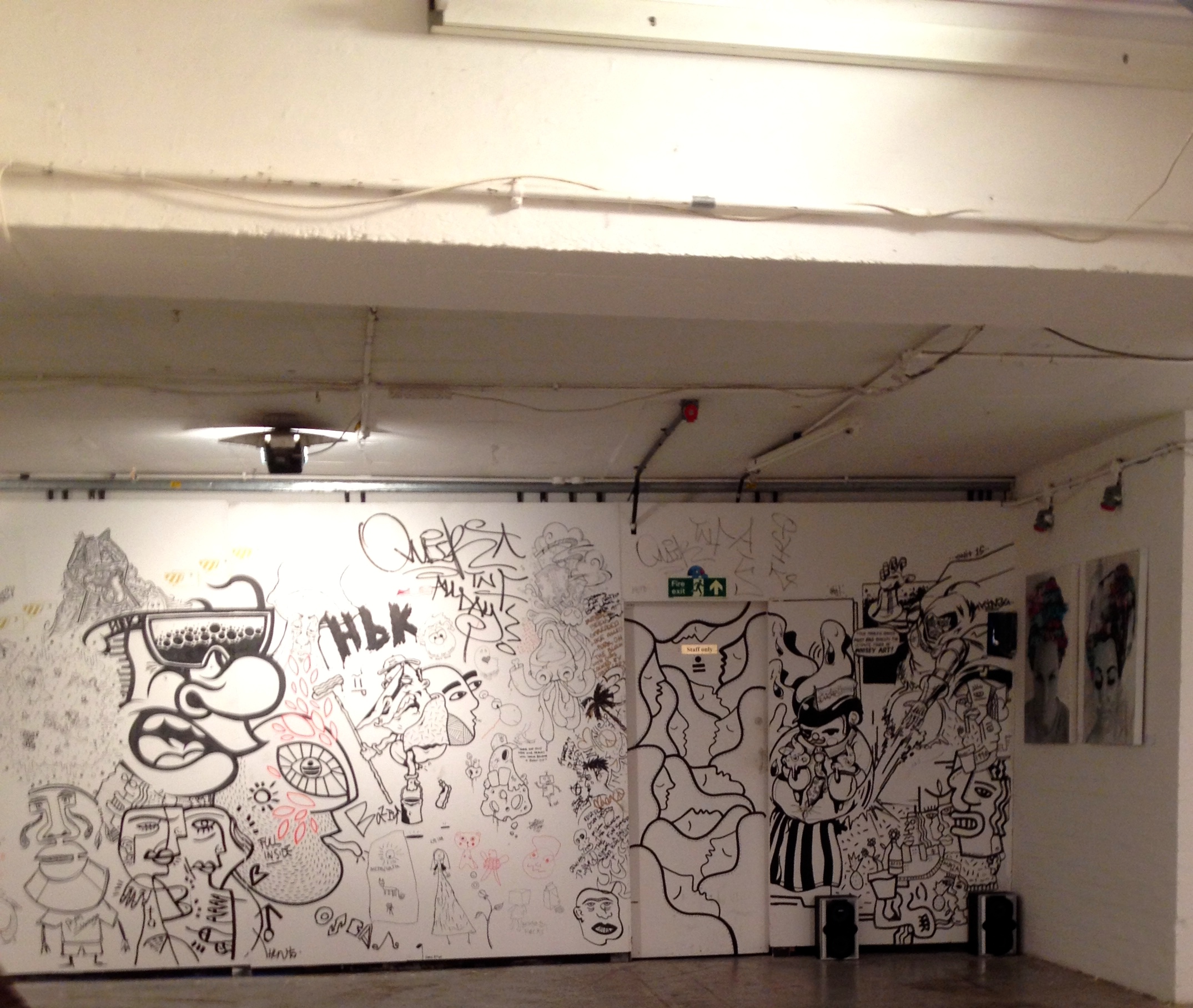
I have spent a few days with my boyfriend in Norwich. I read and wrote, and memorised and recorded poems. On our day off we went for a Chinese buffet, and went to an art gallery and to see a band. Here are some photographs from Moosey Art’s exhibition at Stew Gallery, Art in my Mouth. I really recommend checking out all the artists and the work is really affordable, so I really hope some people get behind these guys.

IMG_2561IMG_2567


Funnily enough I saw someone post something on Facebook about the coins above. Check out the Tales You Lose page to find out more and see some of the other designs.

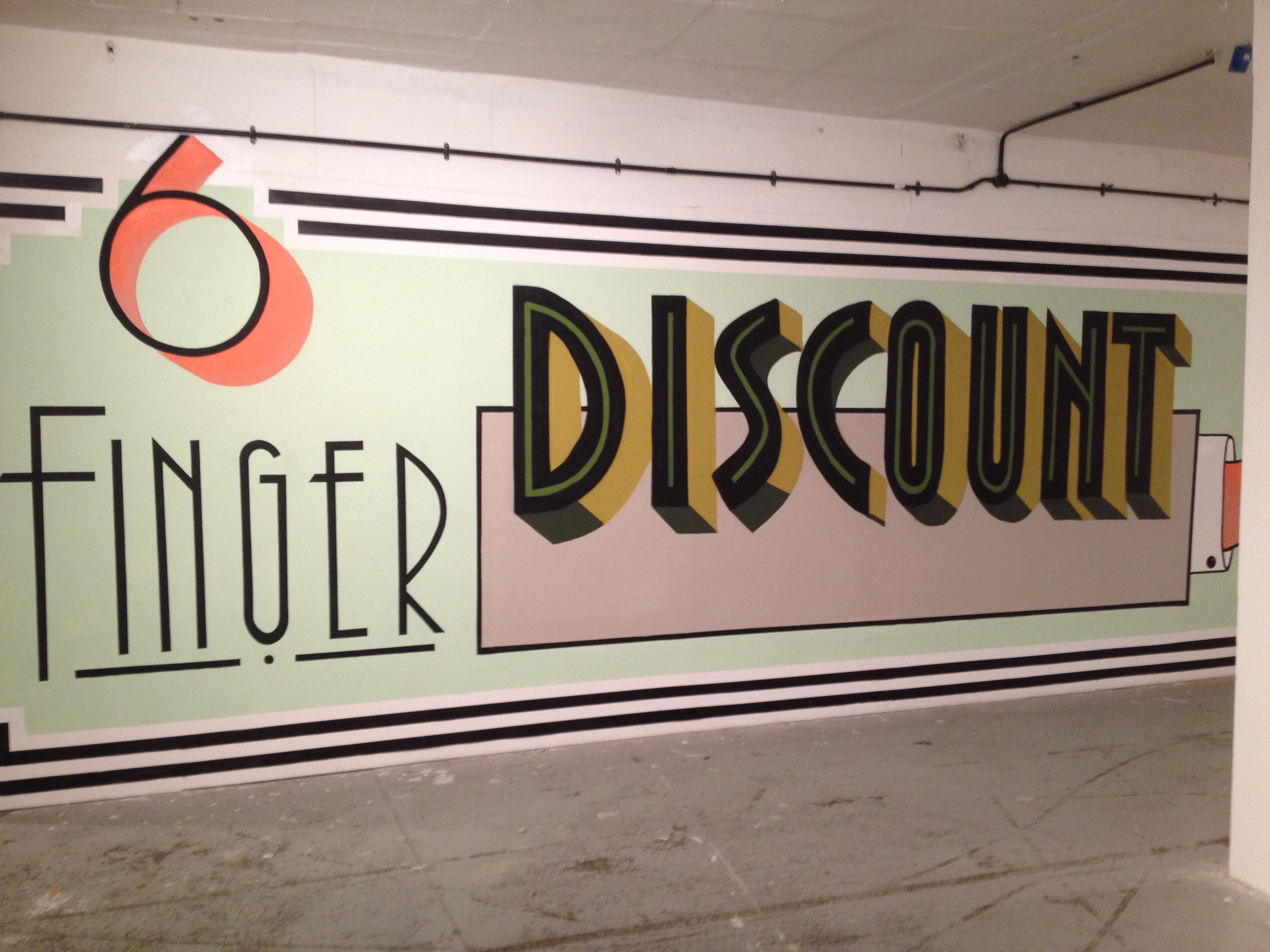
These pineapples are only £30 each! I really want one… but then, you can’t really just get one can you? They look so scrumptious, I’d love them to go up in my house, if I ever move out of my parents’ house! The wall below was completed as part of the live art they had at the opening night. IMG_2563 IMG_2566

IMG_2573

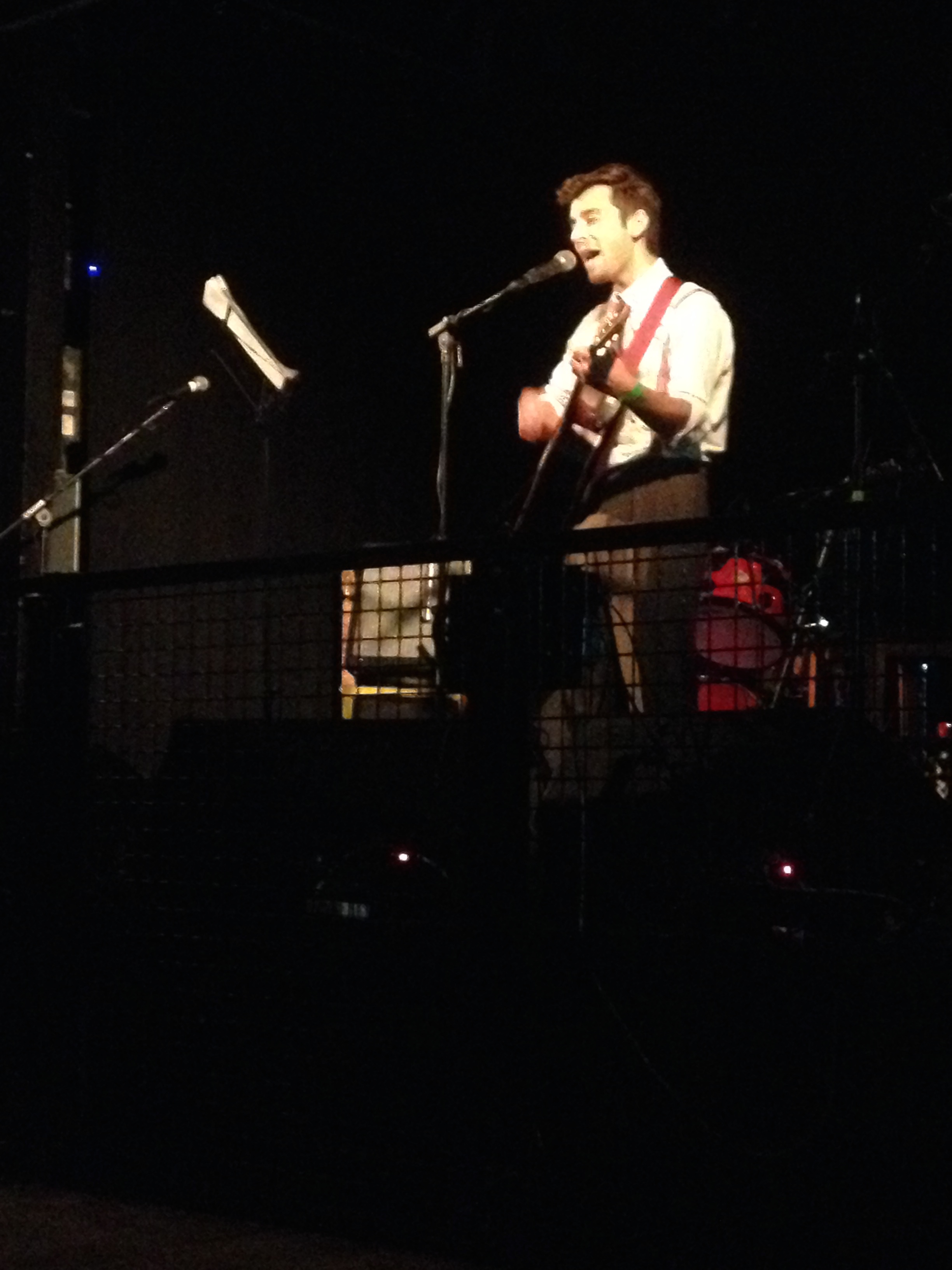
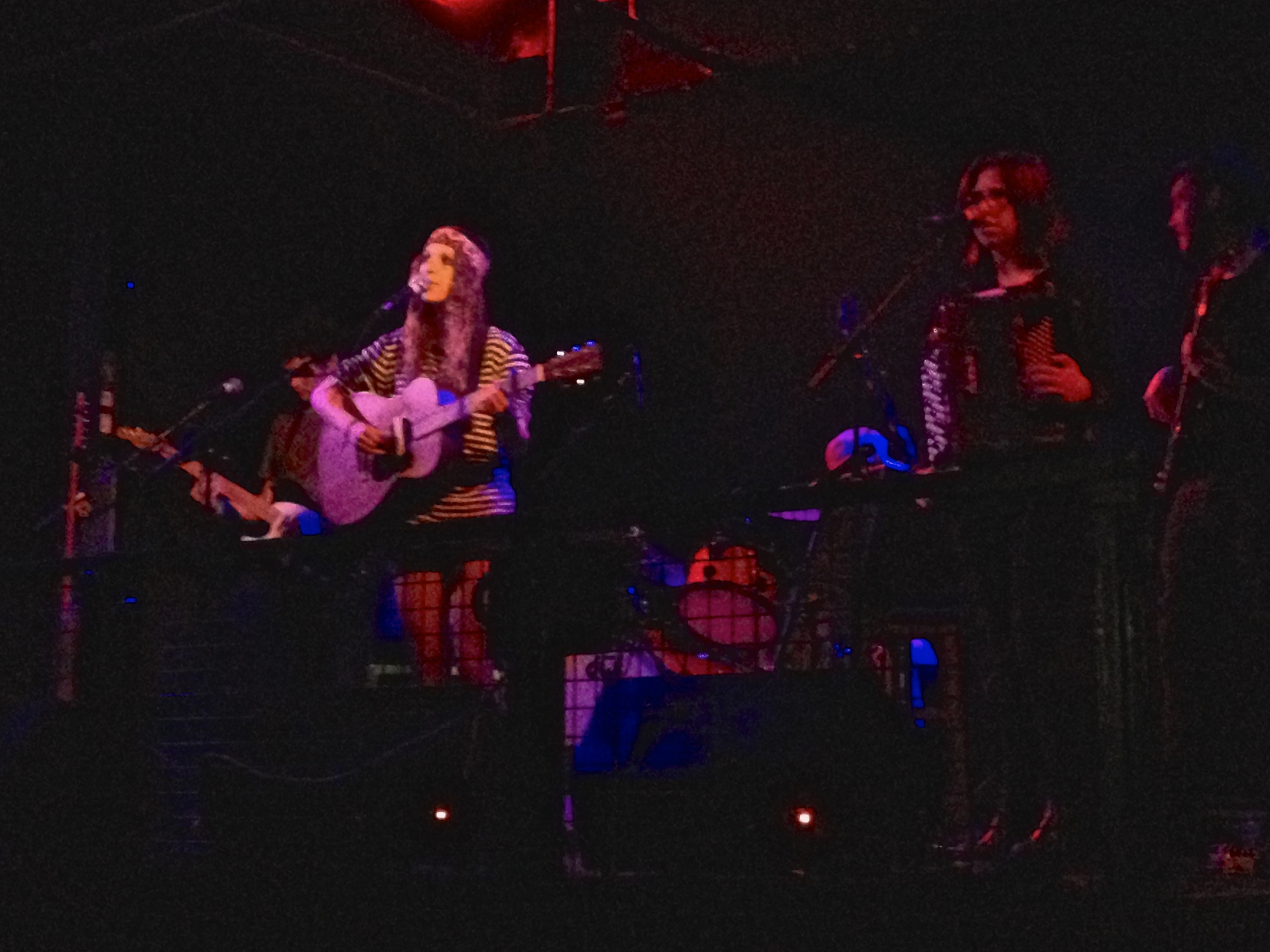
That evening I had booked tickets for Annie Eve the day before. I felt like we were a bit of a rubbish audience, as everyone seems too shy to come forward and lingered at the edges the whole night. Matt’s house is quite a walk from the city centre, so we were quite happy to follow suit and sat on the floor for the gig. Matt spoke to the support act that we saw, and so we think this was Norwich lad, George Cheetham (and not Harry Edwards, whose name was also on the line-up). He was a great support act, with loop pedals and tricks up his sleeve in the form of a harmonica and melodica. He was a bit too self-deprecating at times, but he mostly appeared confident and friendly.
IMG_2576

Whilst Cheetham had fully enunciated his words, my only criticism of Annie Eve would be for her to open her mouth wider so we could hear her beautiful lyrics more clearly. Cheetham’s words were very clear, but with lyrics such as ‘she’s as drunk as a skunk’, they didn’t have the emotional depth of Annie’s. Still, I think it’s great that he played both old and new material, and with tales of working in shops and taking five years to make his album, he seemed like a pretty inspirational guy. So, with that in mind, I felt like my ears were straining to make out the words Annie Eve was singing, which hindered my enjoyment a bit. However, I was really glad to see her live, and she can only grow as a performer, which her change between acoustic and electric shows. Maybe with time and more confidence and experience she will sing more clearly, as I really think her lyricism is a big part of her appeal. I’ve given a few hints to Matt to get me her album, so hopefully he will take note – and hopefully it will contain lyric sheets (my main reason for still wanting to buy CD albums). Click below to view her song ‘Ropes’ on YouTube.

Feminism in London Conference: Part 4

IMG_2543
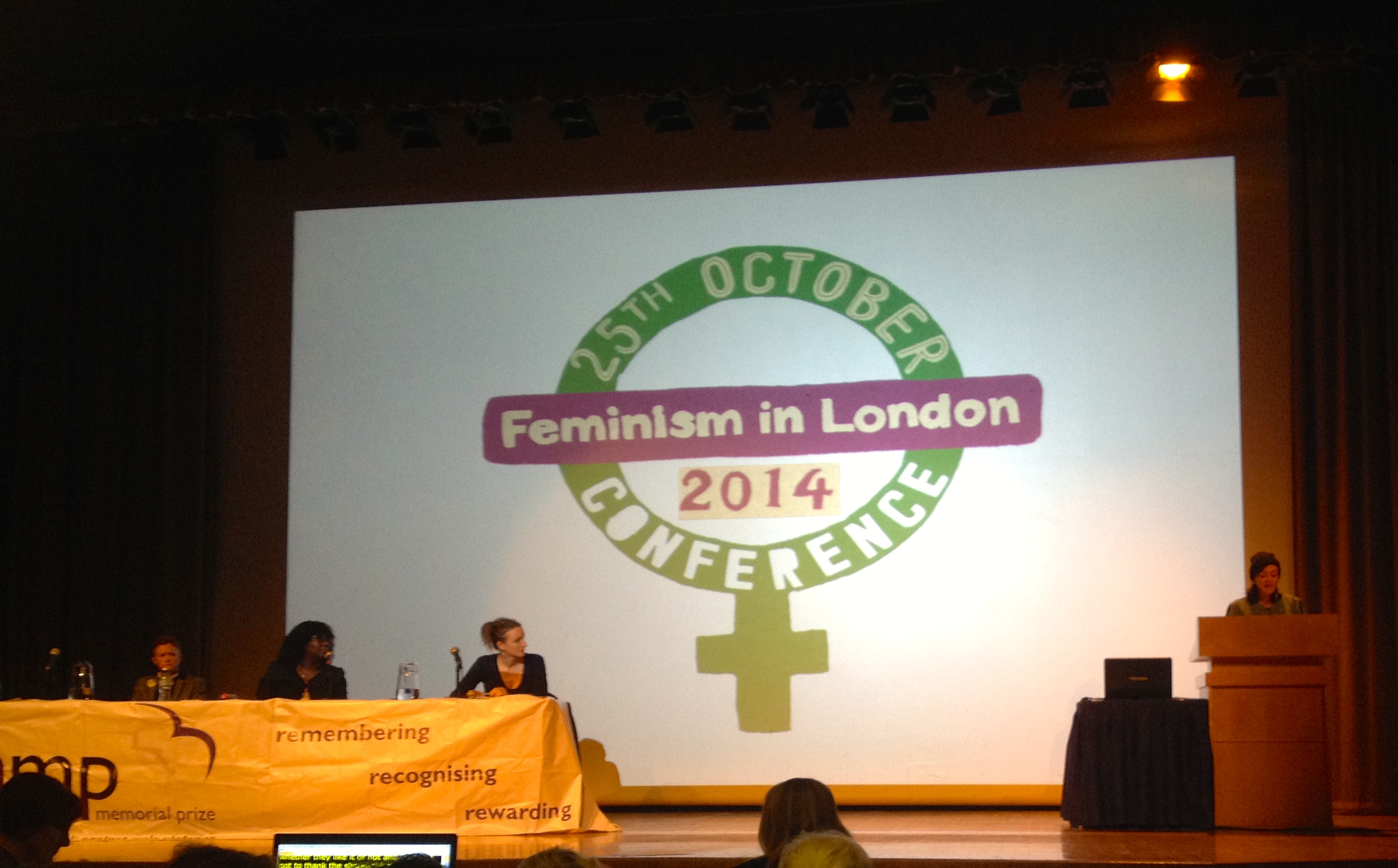
At the end of the conference we gathered for the final speeches and the Emma Humphreys memorial prize giving. Much of it was very moving, as well as being informative on some of the work that is happening with regard to violence against women. I didn’t feel it packed a punch in the way that other moments of the day had for me, but this was probably just because the opening talk had been so important and eye-opening for me. Along with the talks on shadeism and men’s role in Feminism, I’m now looking to build upon areas where there are gaps in my knowledge and experience, as opposed to reinforcing what we already know. That said, it is always needed to rally up support with speeches like this where there is a resurgence of energy, to keep us going, to keep us fighting.

I also really enjoyed Sabrina Mahfouz’s poem, which incorporated different parts of the day that she had experienced. Possibly out of paranoia, I had been wondering why I was not seeing the successes of some other poets, and worried that maybe I have been to vocal about my views, that I was being labelled to extreme. In person, I have faced little opposition, but still some opposition, to She Grrrowls – I’ve been told that the logo is scary and off-putting, that I’m creating a problem in what is already an equal community, simply for featuring women in the arts at my event. So, it really helped me to see Sabrina Mahfouz up there, proud to be a Feminist, yet also managing to be an extremely successful poet, amongst other things. Since feeling this fear that I would be jeopardising my career by being so outwardly Feminist (a fear that was expressed in the conference to explain why women would not use the label), I cannot express fully my gratitude at seeing Mahfouz take to the stage and be involved in the Feminism in London conference.

IMG_0073IMG_0074


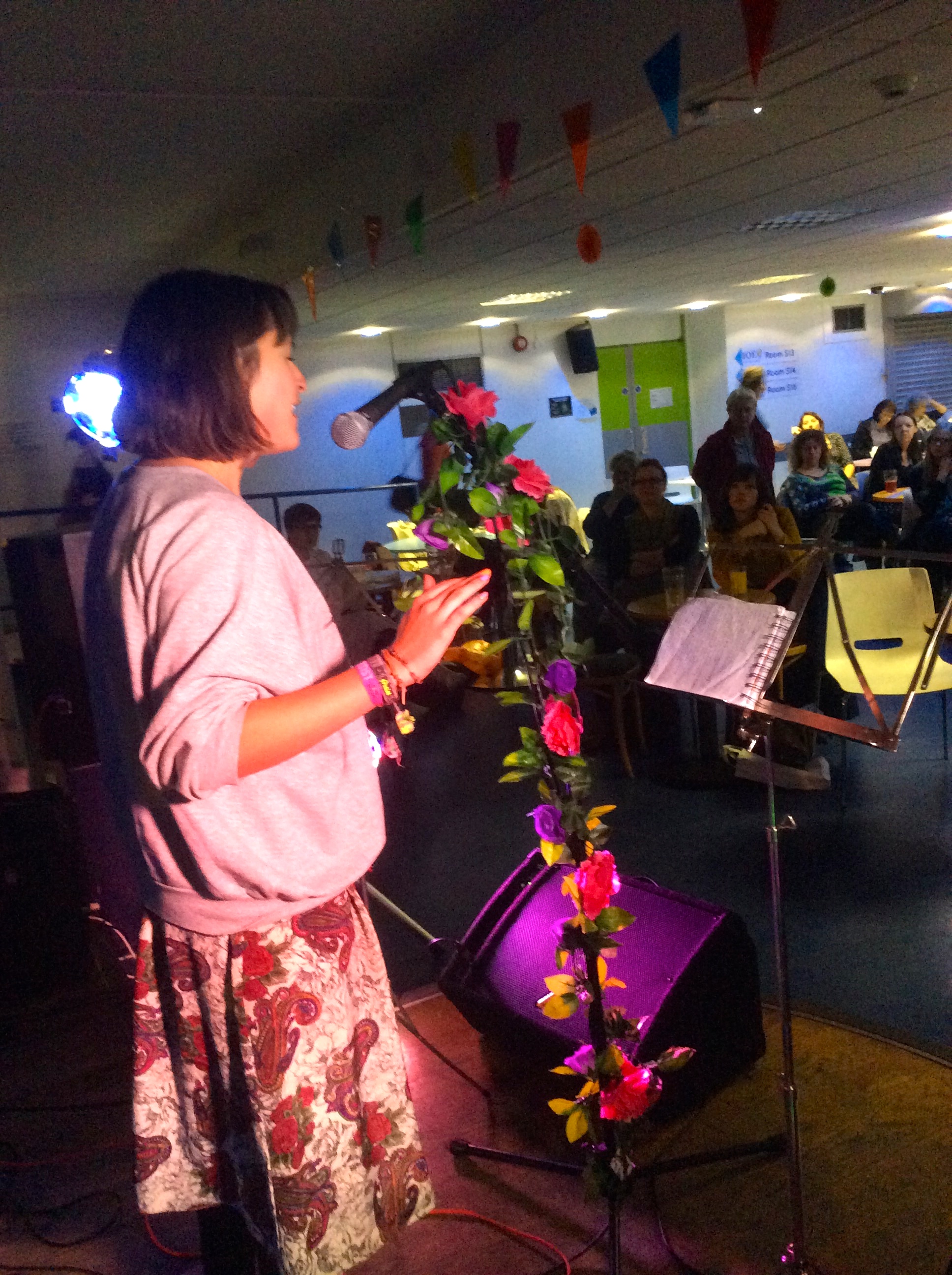
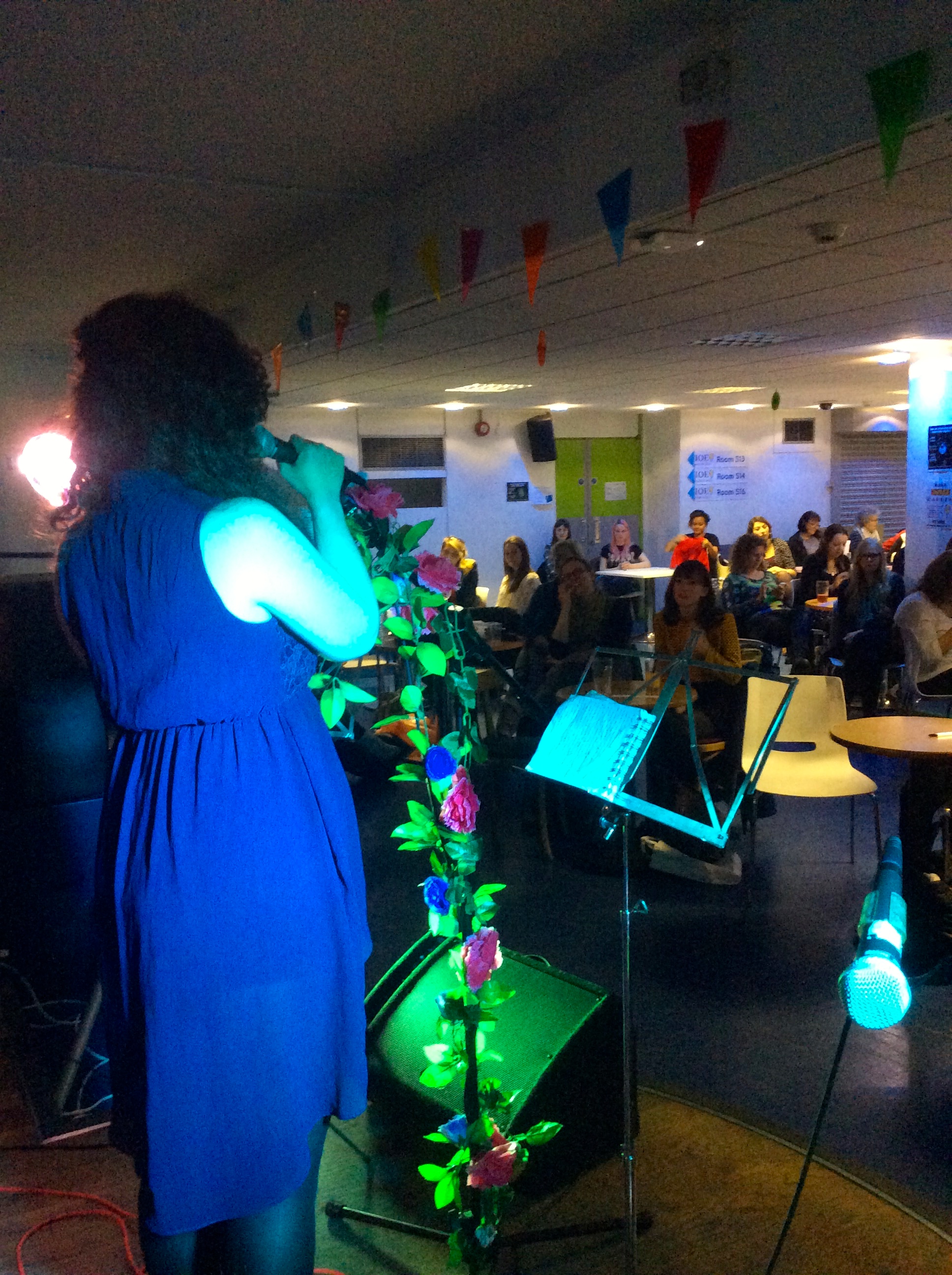
After the conference, we headed to the SU bar for the after party. I was joined by Rose Swainston and Maeve Scullion (pictured above) to represent Kid Glove. Kate Smurthwaite was also featuring; I mentioned something I found problematic in my earlier post, but other than that, she was the performer I most enjoyed that evening. I also enjoyed the other poetry act, Mabel, and the women who sang Spanish and English songs on her guitar. I felt proud after knowing ‘mujer’ meant ‘woman’ (sadly, due to Duo Lingo, not my Spanish heritage). Without wanting to dwell on negatives, I was really taken aback by a woman who, after a poem on personal experience of a rape-joke, called out ‘I’m not clapping to that, it was awful.’ And soon after, said to another woman ‘are we going?’ She was very near the stage and she didn’t try to hide what she was saying – quite the opposite. I felt close to tears, but as we were rotating poems between the three of us, I had to put it to the back of my mind and tell myself she must not have understood the poem. I stayed for a bit of the Stepney Sisters, but left early as I was tired and had a long journey to go back to the suburbs. I’m already looking forward to next year’s conference and wonder where I will be on the journey of Feminism then.

IMG_2548IMG_2549


Feminism in London Conference 2014: Part 2

Parts 2 and 3 deal with the morning and afternoon workshops that I attended at the Feminism in London Conference, which were on Shadism and Men’s role in the Feminist movement. In the first workshop I wanted to learn from the experiences of WoC (Women of Colour). As I am White European, I didn’t feel I needed to relate any experiences, despite the encouragement from Femi that all people present should speak if they wanted. Sure, I may have had things to say about friends, and about how having a Spanish name and curly hair has coloured my experiences, but I just didn’t think what I had to say was of that much relevance in such a short space of time, other than reinforce the points that were already being made in connection to shadism. I mostly listened, and only commented at the end when I urged people to help with the education, suggesting the TES website as a place to upload texts that could be read for English that deal with issues of race and gender etc. As again and again education is highlighted as being so important in opening a dialogue on these issues, I feel I am currently in such a privileged position and I need to take action.

Just to start off, in case you aren’t aware of what shadeism/shadism means, then I’ll give a quick definition. It is the discrimination of individuals based on skin tone, which can be both intrinsic and extrinsic to the race or community. It is heavily connected with the false perception that the closer an individual’s skin is to white, the more superior they are to other members of their race. It is something steeped in historical oppression, and often connects to class and other issues. Its place within the conference is also due to the fact that it often relates more strongly to women, due to the pressures of beauty standards. A film exploring just one aspect of this issue is the documentary ‘Good Hair’, presented by Chris Rock, which I saw a few years ago and was mentioned during this workshop. You can watch the trailer below… although it’s advertised here as a comedy, it’s definitely mixed with a whole dose of tragedy as humour is used to explore something that really is no laughing matter. [Edit! My friend, Natalie Cooper, drew my attention to the fact that ‘Good Hair’ is actually a rip off of ‘My Nappy Roots‘.]

Some of the points that were raised included (text in brackets shows my own points):

-The need for colour-blind casting in schools and in the wider world of acting.
-Comments on hair and touching without permission.
-Stereotypes: people saying they do not “sound Black” or white friends saying they do not think of them as Black.
-Older relatives handing down bleaching cream to young children.
-Members of the family being treated differently due to skin tone.
-The importance of language. It was strongly felt that to label oneself Black and have pride in that was vital in making a political statement.
-In a similar vein, it is up to the individual whether to a mixed race person identifies as either Black or White. This connects to people picking out features that go into either category, and it was asserted that it should not matter, should not be asked.
-The importance of encouraging girls to keep their hair natural until old enough to make an informed decision.
-Self-hatred is an important issue, which is why it is important to still tell young WoC that they are beautiful.
-WoC need more visibility in the media, advertising, in high street shops etc. (To ignore beauty and consumerism is a privilege.)
-The fascination with White people wanting to be tanned. It is that they want to be darker, but do not want the problems that come with being a WoC. White people need to understand the politics of bleaching is very different to wanting to tan. (However, seeing a mixed race tone as the ideal is problematic in terms of it perpetuating shadeism.)
-There are assumptions that Black people don’t care about appearance, when statistically they spend more money on this.
-White people should be able to describe someone as Black, yet it was also noted that this should not be to the extent that these White people do not see anything else.
-Stickers on things such as bleaching or “lightening” products (it’s the same thing, people, which is why I was disgusted at a poster I saw at a sk:in clinic). Consciousness raising.

By the end, it felt like we had only tapped the surface of shadism. We tried to conclude things, to come up with solutions and action plans, but each time women would return to speak more about their experiences. I don’t feel it is my place to even do more than share this list of points, but I hope that this post will be informative for white people, and that WoC who were unable to attend may be able to voice their own experiences and open up discussion, between friends, family and online platforms etc. Lastly, I have since come across an article by Victoria Bond which stated something that resonated with me: race is a spectrum, not a dichotomy.

Feminism in London Conference 2014: Part 1

IMG_2542

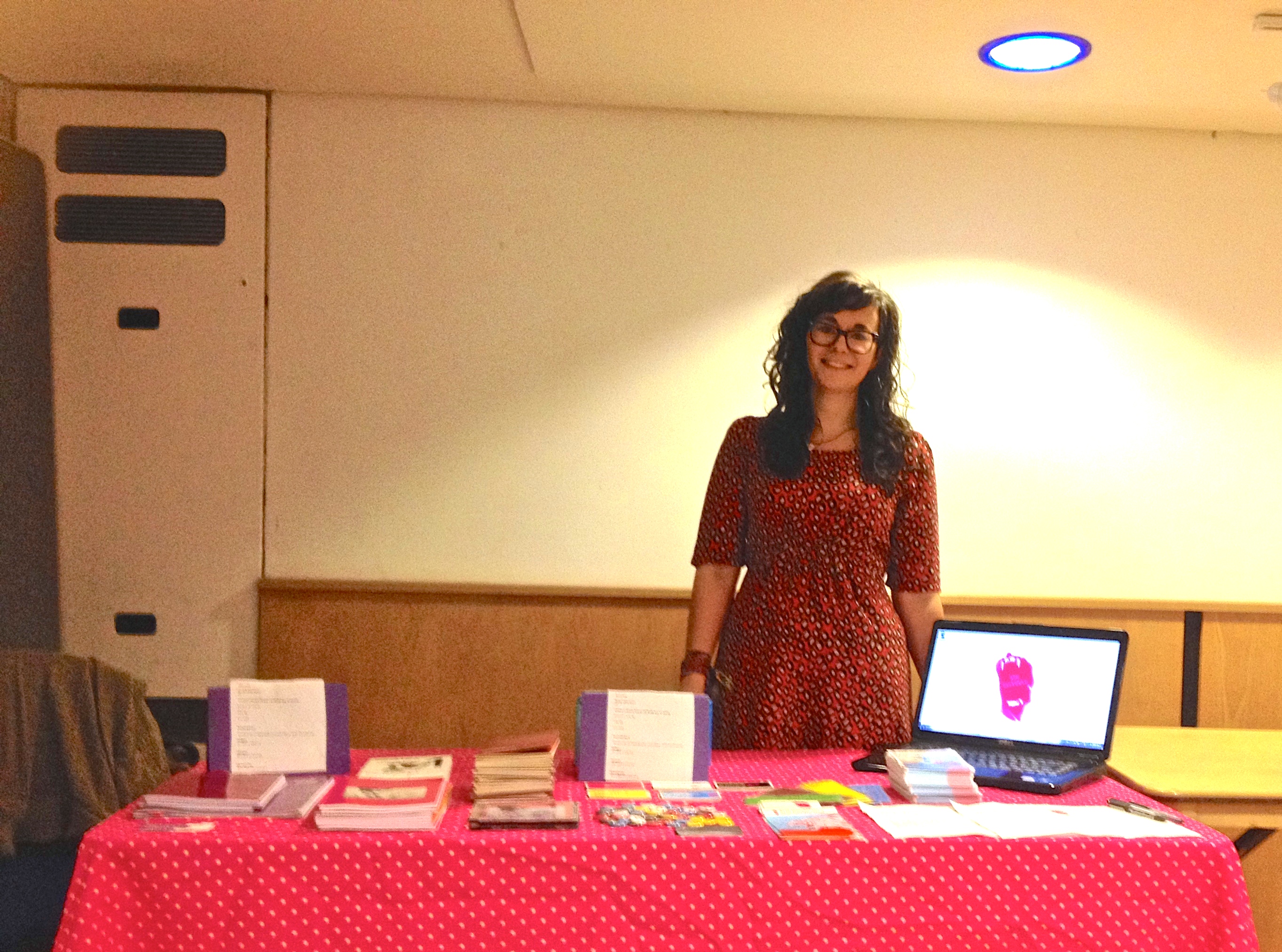
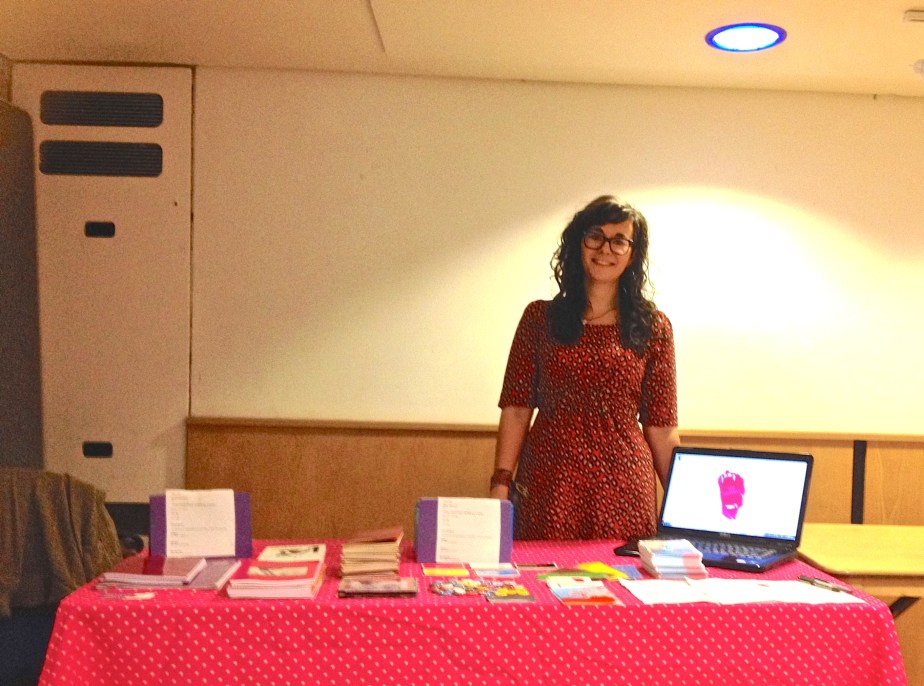
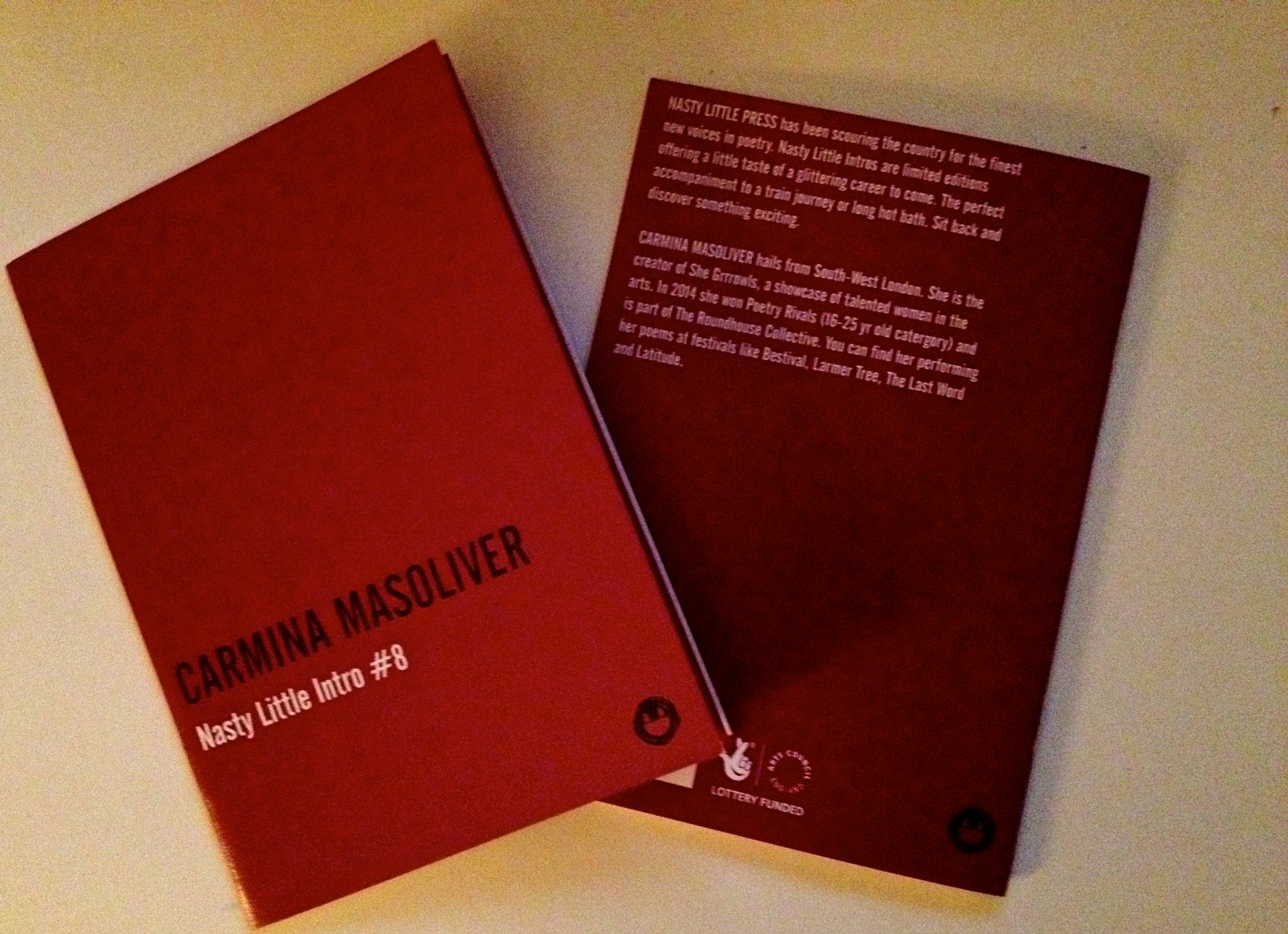
This year at the Feminism in London Conference  I was holding a stall and performing at the after party. My wonderful Mum actually held the store most of the day so that I could enjoy some workshops. In hindsight I wish that I had told her to come along to some of the goings on. I was there promoting She Grrrowls and selling books and other merchandise, such as my Nasty Little Intro. I’m going to divide it up into different posts, or else it will be very long!

From the very first talk of the day, this year’s conference felt very important for me. Last year I wrote a blog post where I detailed my thoughts on the ‘Stop Porn Culture’ talk and I was unsure on my views on porn. I hate to say it has actually been my boyfriend whose views have swayed me into thinking that porn is always exploitation of women. This year it was forcefully said that the Feminist movement needed to agree on this issue and it made me wonder whether my desire to accept that there may be such a thing as Feminist porn is actually too much of a compromise. I still feel like I need to do more research in this area. Even speaking on a similar issue with my boyfriend this week, he didn’t see the connection between the exploitation of women in porn with those on the streets. I guess we both still have some figuring out to do!

What I was talking about was one of the biggest revelations of the weekend for me. There was a distinction made between the language of calling what I would normally call a sex worker, with calling someone a prostitute, and then again with the expression ‘a prostituted woman’. This phrasing highlighted the fact that prostitution is not something that a woman does, but rather, as the verb suggests, something that is done to her. So, even when a woman is not trafficked into the sex trade, it is always going to be a form of exploitation. Some may argue that this is not the case. This is why I would really like to see some statistics on the role of choice in sex work, though I’m aware that it isn’t always going to be quantifiable as it is such a complex matter. At the conference it was argued that to call it ‘sex work’ is to legitimise the work. I feel that to legitimise it and for a sex worker to say ‘I am a sex worker and not a prostituted or trafficked woman’ actually comes from a privileged position. This is where other kinds of intersectional systems of power come into play (something that was discussed last year). How much can ‘choice’ be a factor, I wonder, when a woman has suffered physical and sexual abuse, when a woman suffers from mental health issues, when a woman is addicted to drugs, or when a woman is living in poverty? Are there any women out there who are not white, middle class women who call themselves sex workers? Is selling your body ever something to be empowered by?

Now, to be empowered is something else that was being discussed in this talk. At this point I will say that throughout the presentation I felt like an outsider. It was suggested that the opposition between second and third wave Feminism wasn’t generational, but ideological. However, I cannot help when I was born, that my first experience of any form of Feminism (that wasn’t in history books) was through the Spice Girls and riot grrrl music. I started to feel like I was in an environment where I would be judged for my liking the colour pink, that I shave my legs and get Brazilian waxes, and that I have performed pole dancing routines (not because it was empowering, but because it was fun). I felt that the second wave was being held up as the “right” form of Feminism, and that third wave was too problematic to take anything good away from. I will always be grateful to the Feminists that come before me, but I have always taken issue with some aspects of second wave Feminism, notably the transphobia that has been exhibited by those such as Germaine Greer. On the other hand, more liberal Feminists such as Caitlin Moran have also came out with some problematic things (and, for the record, you need more than a vagina to be a Feminist in my opinion – something asserted during this opening talk).

Negativity aside, I hadn’t thought about radical Feminism and liberal Feminism too deeply. I had always just thought I was a Feminist and not considered the different types within the movement, which may be something I should think more about. I had another revelation whilst listening to the talk. This was with regard to Feminist literature and how the focus has changed through the waves. It was outlined that during the second wave the focus was on the collective liberation of women, whilst now there is more emphasis on the empowerment of individuals. I found this extremely interesting as I am of the view that the Feminist movement is about collective liberation. I think perhaps the focus on individuals has become skewed from introducing a more intersectional Feminism (of which the talk stressed too) and that a collective voice needs to be formed of all individuals’ voices.

What I think is needed is a merging of both waves, perhaps a movement into a forth wave. There was some playful competition between the Dance Squad at UEA and the cheerleaders. Despite being in the former, I found the mockery of the pyramid of cheerleaders problematic. To be a cheerleader is to be underestimated, and as Feminists, we should not do the same. To be a cheerleader, you must train really hard and, like pole dancing, it is essentially a form of gymnastics and it does not need to be sexualised. This is something I have written poetry about and I feel very strongly about. It angers me that the sexualisation of these sports or art forms has created a sense of stigma around it, so that I feel like I cannot be proud about this video. This is precisely what the term ‘slut shaming’ is about. It seemed like this was being misunderstood – third wave Feminists are not saying that women who are called sluts are sluts, they also believe that there is no such thing as a slut. However, what are second wave Feminists doing when they judge the woman who is cheerleading, pole dancing or even performing a burlesque routine? They are slut-shaming. All these activities, I believe, can be done as a Feminist. This does not mean they are Feminist simply due to the performer having a vagina, but that they can play with the art form in a way that does not mean they are being objectified.

I think it is important to critique one another when not supporting the values of Feminism, but sometimes there can be a danger of mocking women in terms of personal taste. As much as I love Kate Smurthwaite and have found a majority of what she says extremely funny and witty, I don’t think we need to make fun of successful women like Victoria Beckham in the name of Feminism. I’m not completely sure where she stands on Feminism now, rejecting it in the past, perhaps due to education on the term, but she has joined the ‘Ban Bossy’ campaign to encourage girls to be leaders. Again, I think hair removal is a matter of personal taste; I don’t think women should be judged either way. I admire women who don’t share their armpits etc. However, I can remove my hair and still be mindful of the complexities of the reasons why I might do this, even though on the surface it feels like a free choice and something I prefer to do in order to feel feminine, or so that I can feel confident and happy with how I look, or simply because it feels nice to have smooth skin.

I think when it comes to sexuality, it can get really complicated. I was disgusted to hear about pornography where a woman was spat on, called a slut, had her head flushed down the toilet whilst penetrating her. I was shocked to hear that these films and photographs were not even that extreme, but easily click-able for pre-teens accessing mainstream pornography (I think this comment referred to boys, but really, it is both boys and girls who are exposed to this, who are curious about sex and who will discover this content). Then again, there was a part of me that questioned how this applies to BDSM relationships. Again, this is not an area I know much about, and anything that may degrade a woman does make me feel uncomfortable. It was simply a question that arose in my mind, wondering where these people may fit into these ideas. Nevertheless, BDSM relationships are not the point here. This is about pornography and this talk did not shy away from making a strong case to oppose pornography. It did more than my unsure rambles can do and so I would like to hear more about the exploitation of women in porn, so I am able to feel confident that by being completely against porn of all kinds, that I am making the right decision.

So, in summary, I have a lot more research and reading to do before I’m clear on where I stand in terms of the sex industry. However, this presentation has had me more convinced that I need to stand against it, if even purely for the reason that we do not know whether women are being exploited – do we really want to take that chance just because 5% of these women claim they feel empowered? This is also so tied up with Capitalism, with complicates the concept of free choice here. I would love any recommendations on where I can go for information and statistics that could persuade others that porn is always bad for women. This talk also made me think more about the distinction between radical and liberal Feminism, and I feel like I am somewhere in between the two and that perhaps we need a fourth wave to emerge in order to be clear that it is individual voices that form a collective voice, that we need to include intersectional perspectives in a way that makes our voice stronger and not weaker. I apologise if I seem to contradict myself, or if this post doesn’t seem well-structured – working out what to think on these issues is difficult when it comes to knowing what is a choice and what is not. One thing remains, that we must stand united as a sisterhood, taking into account all women.
Feminism in London Conference: Part 3


Feminism and men: Working Together for Gender Equality?

Sandy Ruxton and Nikki van der Gaag

For this workshop we were shown a presentation and then got into groups to discuss different questions.

What’s improved?

Thankfully Feminism has done some positive things over the years. There have been changes within the legal system (though still far from perfect), women have the vote (although not in Saudi Arabia), girls’ access to education has improved generally, and in turn women’s employment prospects. These progressions can be why some people think we are equal already. Women and girls have changed a lot, whilst men and boys have not. There is not one country that has achieved true equality yet, and current rates of progression suggest that it will take 95 years to achieve gender equality according to the UN.

What still needs improvement?

Everything that has improved is still not perfect. One of the biggest problems stopping further progress is a culture of sexism and misogyny, all too clear on the web, but, equally prevalent offline. Violence against women is still a big global issue, and along with this is the maternal mortality rates in the developing world. Women do a majority of care work, which is often unpaid. One way to move forward would be to gain more political power; although having women in power doesn’t necessarily mean that women’s issues will be put at the forefront, it would be a massive step forward. Along with this, the glass ceiling still exists when it comes to women moving up the career ladder.

Examples of Men’s Involvement:
He for She
UNFPA, CARE
Instituto Promundo and Sonke Gender Justice
MenEngage
Men Care

What does men’s involvement not mean?

-It does not mean shifting the focus away from women and girls.
-It does not mean men are less powerful than women (Men’s Rights Activists tend to express the view that women are now more dominant).
-It does not mean men should lead on gender issues, but rather that they are standing besides women and supporting them in the fight for gender equality.

The European Context

Ruxton has focused on Europe, and so he delivered some information about the context here. He noted the impact of the financial crisis has in turn seen a rise of right wing populism and racism. One big issue is sexual exploitation and again, the cultural landscape of patriarchal dominance.

Problems:

-Men may be apathetic or resistant to change, either from benefiting from patriarchy, or being in denial.
-Men’s Rights Activists can be hostile towards women.
-There can be a distraction from support for women.

How to encourage men to get involved:

-Men obviously need to see that there are benefits for men too. Sadly, talking solely about women can lead to defensive attitudes.
-The diversity of men’s experiences needs to be taken into account e.g. class, race, mental health issues.
-A focus on opportunity moments in men’s lives and what they can do practically.
-Assertion that gender equality is right in terms of a a wider concept of social justice.
-It is important to address real problems that men experience and open a dialogue.
-It is vital that alliances are built with women and women’s groups (to avoid being an MRA).

Examples of ways men can get involved:

-Individual acts.
-Through education e.g. Great Men Value Great Women.
-Caring for children.
-Anti-violence programmes e.g. White Ribbon.
-Involving men at senior levels in organisations.
-Government initiatives.
-Thinking internationally.

Now for the group discussions…

Unlearning patriarchal masculinity:

Due to traditional gender roles being part of the patriarchy, it is important that men do not take over what women are saying due to their position in society. A good point to focus on is that these gender roles exist for both men and women and that this is a problem as it restricts us all as humans. This was the first discussion group feedback that highlighted the significance of education, and it was not the last. It was stressed that fatherhood is a key time to communicate and pass on an awareness of notions of masculinity in a way that deconstructs the norm. This group commented on different models of power, and that questioning and challenging problematic views was better than being defensive. This was also noted with regard to group situation. The difficulty of this was noted due to the fact that men are often the beneficiaries of the patriarchy.

Obstacles:

The desire to conform was highlighted as a big obstacles, as well as the idea that it is often not seen as a men’s issue too. This also goes in hand with education about Feminism and why it is important to keep the label. One of the men in the group disagreed that Feminism was something that needed “selling”, but perhaps this isn’t reflected in the opposition that women and Feminists are often faced with. It may be a sad fact that we do have to be aware of how we package it. The concept of the invisibility of privilege was also discussed (which also reinforces the idea that we need to present Feminism in an accessible way).

How can we foster men’s involvement?

Some of the ways to do this came up in the discussion on obstacles, but again, engaging different groups of men was stressed, and doing so in cross-disciplinary ways. A method of engaging men from a young age, or even with those with an outdated view of Feminism, would be to find the language to engage with them without the barrier of the label and then saying ‘hey, well that’s Feminism!’

What actions can men take?

I was in this group and I ended up speaking first from a personal experience where I had felt silenced and wished I had the support from my boyfriend and male friend. Whilst we all agreed speaking out against sexism and misogyny was integral to the fight for equality, it was also seen as important to think about barriers that stop men from doing this, such as the need to conform. It was also highlighted that we needed to eradicate the association of guilt and shame with inequality; it is not a case of men vs. women, and individual men need not take on the burden of representing the patriarchy, but should instead unite against male dominance in society for a more egalitarian environment. Again, an education of Feminism both past and present is a a vital way to take action. A focus on positive actions is needed in order to go with this idea of rebranding Feminism, so that it is not misunderstood, as it often is. Again, there was an emphasis on joining men’s groups with women’s in order to form alliances.

Additional Comments:

Some books were mentioned, including ‘Tackling Macho Values’ and ‘Why Some Men Hurt Women and How Some MenCan Help.’ Some final points were noted about men believing we have equality and having a confusion about Feminism, and with that not making men feel like they are the enemy just because they are ignorant to this. Anger was brought up and there were mixed views on the impact of anger, with some men saying that it could be off-putting, whilst others showing an understanding that it a normal reaction to injustice. A woman commented that anger comes from a position of powerlessness and so it is important to recharge by coming together with like-minded people to talk about these things. It can be exhausting going to yet another boyfriend and explaining why you’re a Feminist and why he should be too. I thought that anger is sometimes inevitable, but it is important to hone these feelings of upset and anger. So, instead of it taking its toll on personal relationships, you can make videos and blog posts about these issues. Then you can show others what you think in a more articulate way than within arguments that make occur spontaneously from conversations on gender equality.

I felt close to tears, but as we were rotating poems between the three of us, I had to put it to the back of my mind and tell myself she must not have understood the poem. I stayed for a bit of the Stepney Sisters, but left early as I was tired and had a long journey to go back to the suburbs. I’m already looking forward to next year’s conference and wonder where I will be on the journey of Feminism then.


04.11.14: Burn After Reading

Burn After Reading Presents
The Seven Dials Club, 42 Earlham Street, Covent Garden
Tuesday 4th November
Doors 7.45pm
£5 on the door

Featuring BAR poets: Amaal Said, Belinda Zhawi, Cameron Brady-Turner, Carmina Masoliver, Rena Minegis, Safi Strand and Tyrone Lewis.

They’ll be performing alongside our talented feature guests in the form of  Yomi ‘GREEdS’ Sode and Katie Bonna.

25.10.14: Feminism in London After-Party with Kid Glove

Having spent a year being taught and mentored by the poet Bohdan Piasecki as part of The Roundhouse Poetry Collective 2014, we have formed Kid Glove, a collective of poets united by a desire to tell stories, make poetry and perform our poetry around the UK. We write words for both the stage and the page and are interested in ways of developing new practices in spoken word poetry. We like stories that hold mirrors before the audience, words that make you laugh and cry, and images that leave you seeing stars. Four members of Kid Glove will be performing at Feminism in London this Saturday 25th October.

FIL14